

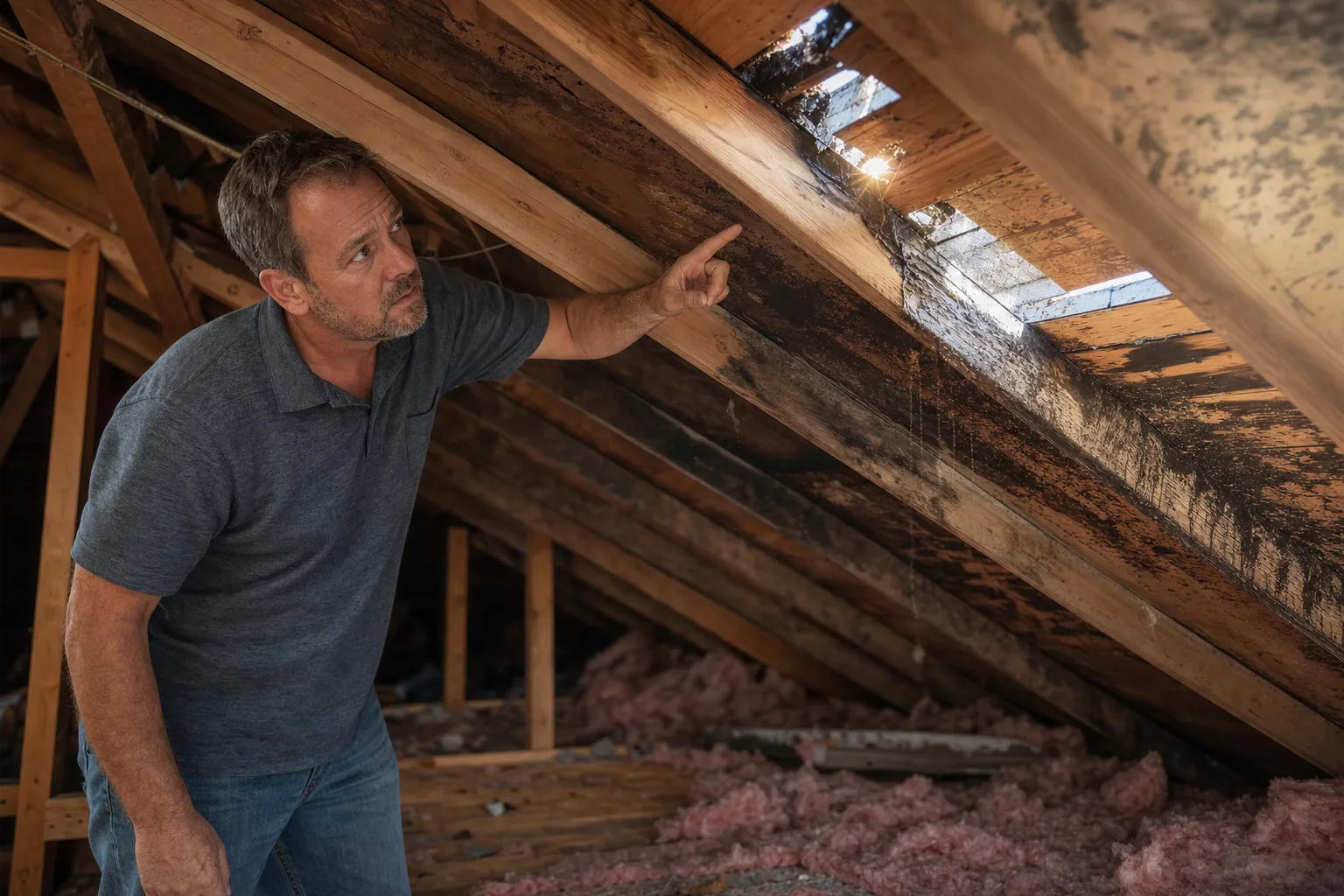
When your roof sustains damage from a storm, you file an insurance claim expecting approval. Then the denial letter arrives, and suddenly you're facing a roof repair bill alone. An appeal denied insurance claim for roof damage is frustrating, but it doesn't have to be the end of the road. Understanding why insurers reject claims and how to fight back can mean the difference between covering repairs yourself and getting the financial support you deserve.
Why Insurance Companies Deny Roof Damage Claims
Insurance denials rarely happen for no reason. Carriers follow strict underwriting guidelines, and they scrutinize claims carefully. Some of the most common reasons for denial include:
- Lack of documentation - You reported damage without photos, inspection reports, or detailed descriptions.
- Pre-existing damage - The insurer argues the damage existed before the covered weather event, so it falls under the exclusion for wear and tear.
- Maintenance neglect - If your roof shows signs of poor upkeep, insurers may refuse to pay, claiming negligence.
- Timing issues - You filed the claim outside the policy's deadline or after coverage lapsed.
- Incorrect damage assessment - The insurer's adjuster concluded the damage is cosmetic or less severe than you reported.
- Policy exclusions - Certain events like flooding or earthquake damage may not be covered under your specific policy.
- Claim overstating - Submitting inflated repair estimates can trigger fraud investigations and automatic denial.
Understanding which reason applies to your claim is the first step in building a strong appeal.
Document Everything Before You Appeal
Successful appeals rest on solid evidence. Before challenging your denial, gather every piece of documentation you can find.
Start with comprehensive photos and video. Capture wide shots showing the full extent of damage and close-ups of specific problem areas. Document the date you took these images. If a storm caused the damage, collect weather reports or news coverage confirming high winds, hail, or other severe conditions in your area on that date.
Get a professional roof inspection report from a licensed contractor. This is critical. An independent assessment from someone like Trifecta Roofing and Restoration carries far more weight than your own observations. A detailed inspection report identifies damage type, location, age of materials, and repair costs. It also helps establish that the damage is storm-related and not pre-existing.
Review your original claim submission. Check whether you included sufficient detail or photos. Many denials stem from incomplete initial claims that didn't give the adjuster enough information to make a fair decision.
Request a copy of the adjuster's report. You have a right to see exactly why they denied your claim. Their findings will reveal which arguments you need to counter in your appeal.
Build Your Appeal with Expert Evidence
When you appeal, your goal is to directly refute the reason for denial. A generic letter won't work. Present evidence that contradicts the insurance company's findings.
If the insurer claimed pre-existing damage, your professional inspection report should clearly show that the damage pattern is consistent with the recent weather event, not long-term wear. If they argued maintenance neglect, photos of your roof's overall condition (excluding the claimed damage) demonstrate responsible upkeep.
If the adjuster underestimated repair costs, submit multiple quotes from reputable local contractors. Trifecta Roofing and Restoration works directly with insurance claims to make the process seamless and cost-effective. Their expertise in documenting roof conditions helps substantiate your appeal with accurate, detailed repair estimates.
Include a written narrative explaining your position. Point to specific evidence and explain how it contradicts each reason for denial. Keep the tone professional and factual, not emotional.
Know When to Escalate Your Appeal
If the insurance company denies your appeal in writing, you have options beyond accepting that decision.
File a complaint with your state's Department of Insurance. Most states have formal processes to investigate insurer misconduct, including unreasonable claim denials. Document everything you submit to the state, as this creates a record.
Consider hiring a public adjuster or attorney who specializes in insurance disputes. These professionals know how insurers think and can often negotiate settlements or pursue litigation if necessary. Some work on contingency, meaning they only get paid if you win.
Request independent mediation or appraisal if your policy includes these clauses. An independent third party reviews both sides and issues a binding or non-binding determination.
For storm damage claims, many contractors offer to advocate on your behalf during the claims process. Trifecta Roofing and Restoration handles insurance claim communication to reduce your stress and maximize your payout.
Common Mistakes That Weaken Appeals
Avoid these pitfalls when preparing your appeal:
- Submitting vague or incomplete new information. Every document you add must directly address the reason for denial.
- Becoming hostile or emotional. Insurance companies are more likely to work with reasonable, professional claimants.
- Missing deadlines. Check your denial letter for appeal filing deadlines, which vary by state and insurer.
- Failing to send documents via certified mail. Always use trackable delivery methods so you can prove the insurer received your appeal.
- Contradicting your original claim. If you change your story or claim details shift significantly, insurers will view it as fraud.
What You Can Do Now
If your appeal was denied or you're preparing one, act quickly. Time limits exist for filing appeals and complaints with state regulators.
Start by requesting a professional roof inspection from a contractor with experience working on insurance claims. A comprehensive, expert assessment is your strongest tool. The report becomes evidence in your appeal and helps establish the true cost of repairs.
Gather all documentation: weather reports, original photos, the adjuster's report, and any communication with your insurer. Organize it chronologically so the narrative is clear.
Then decide whether to appeal independently, hire professional help, or both. Many homeowners successfully overturn denials with strong documentation and a clear, factual appeal letter.
If you're in the Tulsa area, Trifecta Roofing and Restoration can help. As a local contractor with a 4.9-star rating and years of experience navigating insurance claims, the team understands how to document damage in ways that support your case. They work with insurance companies to make the claims process less stressful and help maximize your coverage. When you're facing a denied claim, having an expert in your corner makes all the difference. Reach out today for a free inspection and expert guidance on your next steps.