

Your roof is one of your home's most important defenses against water damage. But a complete roof is only part of the equation. The joints where different parts of your exterior meet, like where a chimney rises through your roofline, need special protection. That protection comes from roof flashing, a critical component many homeowners overlook until water starts dripping into their attic.
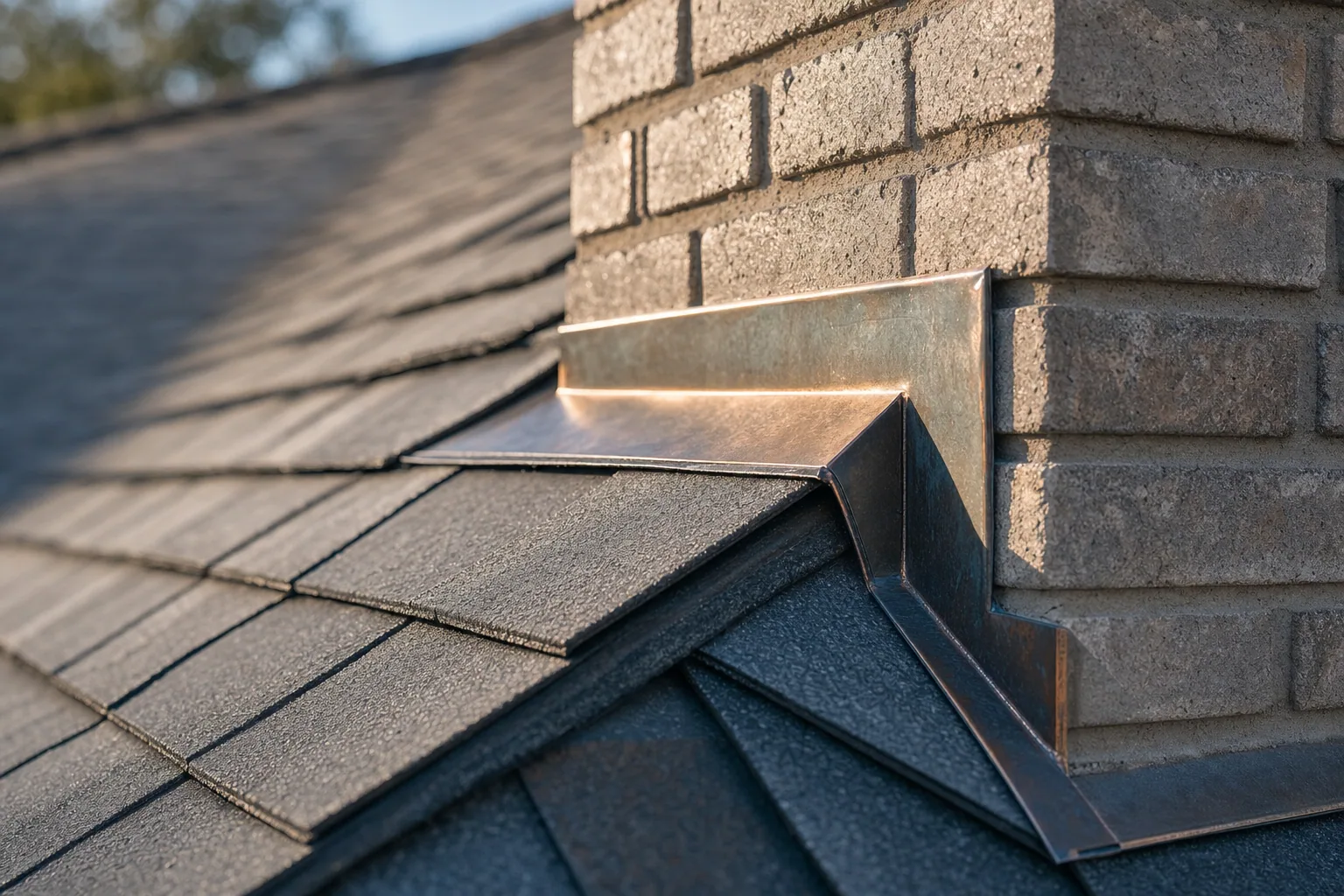
Chimney flashing is the thin metal material installed where your chimney meets the roof. It redirects water away from the gap between the chimney and the shingles, channeling it safely off your roof instead of into your home. Without proper flashing, rain and snowmelt will find their way into the space around your chimney, causing interior water damage, mold, and structural decay.
What Is Roof Flashing?
Flashing is a metal barrier, usually made from galvanized steel, copper, or aluminum, installed at vulnerable points on your roof. These vulnerable points include:
- Where chimneys pass through the roof
- Around skylights and vents
- Where two roof planes meet at valleys
- Around dormers or other roof penetrations
The flashing acts as a funnel, directing water away from gaps and cracks that could otherwise allow moisture into your home. Chimney flashing is specifically shaped to fit snugly around your chimney and overlap with your shingles, creating a waterproof seal.
How Chimney Flashing Works
Chimney flashing typically consists of two main parts: the base flashing and the counter-flashing. The base flashing sits on the roof and extends under the shingles above the chimney, while the counter-flashing is embedded into the chimney mortar and overlaps the base flashing. This overlapping design ensures that water runs down and off the roof rather than into the joint.
When installed correctly, flashing works quietly in the background for years. But when it fails, the consequences are costly. Water that escapes through a compromised flashing seal will soak into the wood framing around your chimney, leading to rot, pest entry, and mold growth inside your home.
Signs Your Chimney Flashing Needs Repair
Regular roof inspections can catch flashing problems before they become serious. Watch for these warning signs:
- Water stains on interior walls or ceilings near the chimney
- Visible rust or corrosion on the metal flashing
- Cracked or missing mortar around the chimney base
- Shingles that are buckled, curled, or separating near the chimney
- Gaps between the flashing and the chimney itself
- Algae or moss growth around the chimney area on the roof
If you spot any of these issues, a professional roof flashing repair should be scheduled right away. The longer you wait, the more water damage spreads inside your home.
Roof Flashing Replacement vs. Repair
The cost of fixing flashing problems depends on what's wrong. Minor issues like small gaps can sometimes be sealed with high-quality caulk or roofing cement. However, this is typically a temporary fix.
Proper roof flashing replacement involves removing the old flashing, inspecting the underlying roof and chimney structure for damage, and installing new flashing with the correct overlap and sealing. This is where experience matters. A contractor who understands local building codes and has handled many chimney flashing leaks will ensure the repair holds up to Tulsa's weather and won't create new problems down the road.
Trifecta Roofing and Restoration specializes in identifying and fixing roof flashing issues as part of our comprehensive roofing services. We use top-grade materials and proven techniques to deliver results that stand the test of time, ensuring your roof remains fully protected against water intrusion.
Why Chimney Flashing Leaks Are Common
Chimney flashing fails for several reasons. Over time, the materials degrade. Caulk dries out and cracks. Metal expands and contracts with temperature changes, loosening seals. Heavy winds and hail can bend or separate flashing from the roof or chimney.
In Tulsa, spring and summer storms bring high winds and hail that can damage flashing. If your roof has recently been hit by severe weather, having a professional inspect your chimney flashing is especially important. Many homeowners are surprised to learn that flashing damage can compromise their insurance coverage if water leaks develop afterward.
Addressing Chimney Flashing Before Storm Season
The best time to address flashing issues is before the next major weather event. A proactive inspection during spring can identify weak points and give you time to make repairs or file an insurance claim if storm damage is already present.
When you work with Trifecta Roofing and Restoration on flashing repair, we handle the insurance process as well. We work directly with insurance companies to make the claims process easier and more cost-effective for homeowners. This means less stress for you and a better chance of maximizing your coverage.
The Cost of Prevention vs. Water Damage
Roof flashing repair costs vary based on the material used and the extent of damage, but it's always less expensive than the alternative. Water that leaks through compromised flashing can damage insulation, drywall, flooring, and even structural framing. Mold remediation alone can run into thousands of dollars, not to mention the health risks to your family.
Trifecta Roofing and Restoration's roofing services are designed to prevent water damage and maintain your property value. By addressing flashing problems early, you avoid the much larger expense of interior water damage restoration.
Why Choose a Local Tulsa Roofer for Flashing Work
Flashing repair might seem like a small job, but it requires attention to detail and knowledge of how your specific roof is constructed. A local contractor who knows Tulsa's building codes and weather patterns can recommend the best materials and techniques for your situation.
Most of Trifecta's customers are from word-of-mouth because we're local to Tulsa and understand your local needs. We combine expertise with a dedication to quality, ensuring your roof remains safe and sound. When you call Trifecta, you're getting a team that has handled hundreds of roofs in the Tulsa area and knows exactly what works in our climate.
Protect Your Home Starting Today
Chimney flashing is one of those roof components that you don't think about until something goes wrong. But taking care of it before a problem develops can save you thousands in water damage repairs. If you've noticed any signs of flashing failure, or if your roof is due for an inspection, reach out to Trifecta Roofing and Restoration. We offer transparent communication throughout every project and a commitment to quality that ensures your home stays protected for years to come. Request your free inspection today and let us help you keep your roof in top condition.