

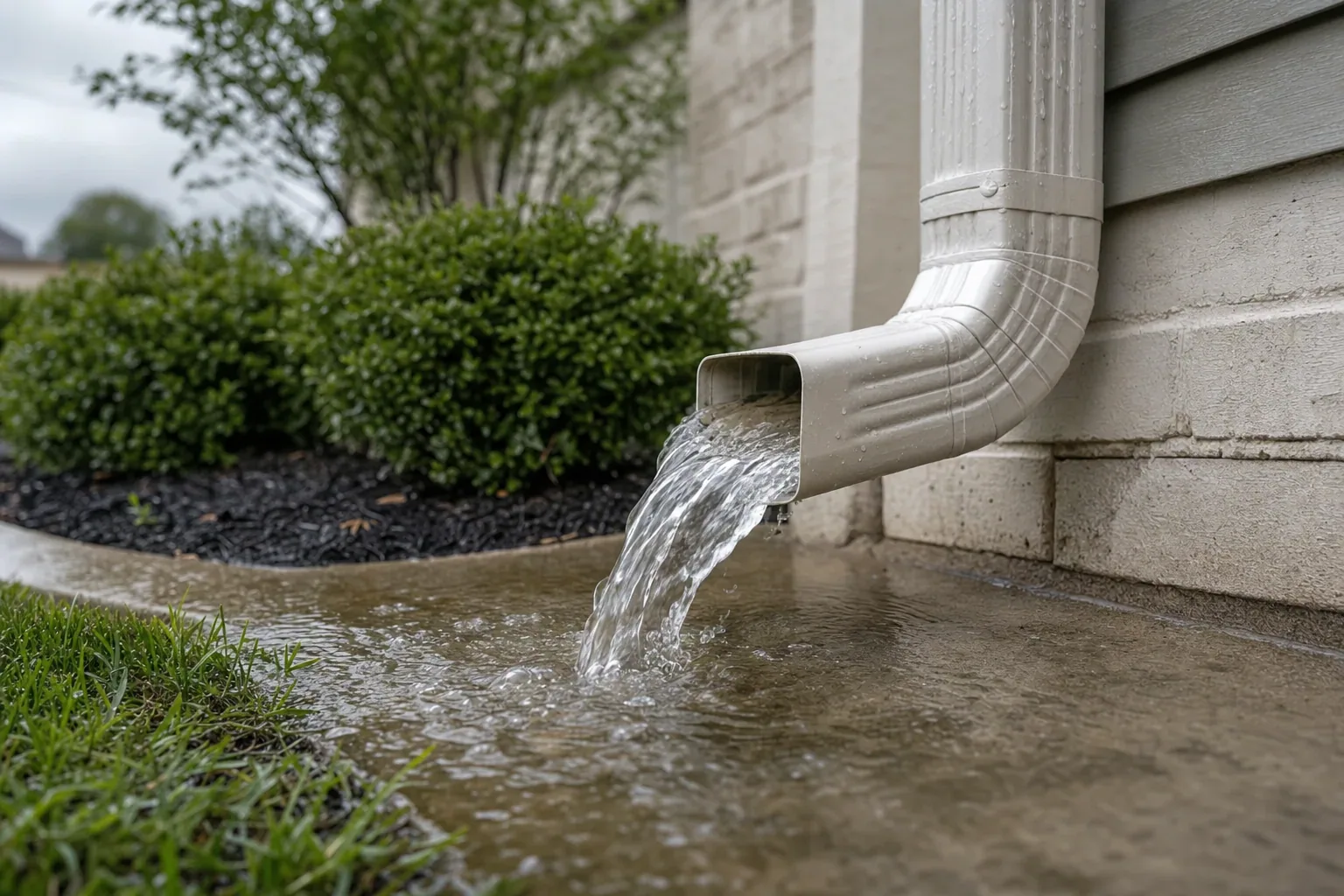
Your home's gutter system is one of its most important lines of defense against water damage. Yet many homeowners neglect the very part that makes gutters work: the downspout. A clogged downspout can turn what should be a simple water management system into a source of costly foundation, siding, and interior damage.
Trifecta Roofing and Restoration understands how critical proper water drainage is to protecting your Tulsa home. In this guide, we'll walk you through what causes downspout problems, how to spot them early, and what you can do to prevent them.
What Causes a Clogged Downspout
Downspouts become blocked for several reasons, and many of them are completely preventable. Understanding what clogs your downspout is the first step toward keeping your drainage system healthy.
Leaves and organic debris are the most common culprits. When gutters fill with autumn leaves, pine needles, and other debris, that material doesn't just sit safely in the gutter. Over time and with rain, it gets pushed into the downspout, where it compacts and blocks water flow.
Shingle granules also play a role. As your roof ages, granules from your shingles wash down into the gutters. These fine particles accumulate and can create a sludgy buildup that clogs downspouts from the inside.
Sediment and dirt, especially in gutters that haven't been cleaned in months, create layers of grime. When water tries to flush through, it moves slowly, allowing more material to settle and harden in the downspout.
Even small objects like roof debris, animal nests, or ice blockages (common in Tulsa winters) can trap water and create a dam effect inside the downspout.
Why Downspout Clogs Matter
It might seem like a minor inconvenience when water doesn't drain from your gutters as quickly as it should. In reality, a clogged downspout can trigger a chain reaction of serious problems.
Water that sits in gutters and cannot drain through the downspout will eventually overflow. When this happens, it pours down along your exterior walls, soaking your siding and foundation. Over weeks and months, this moisture penetrates behind your siding, where it can cause structural rot and create ideal conditions for mold growth.
Foundation damage is perhaps the most expensive consequence. When water pools around your foundation instead of being directed away from the home, it seeps into cracks and causes the soil to shift. This can lead to foundation settling, cracking, and eventually very costly repairs or replacement.
Interior water damage is another risk. Moisture that penetrates your walls can work its way inside, causing water stains on ceilings, rotted framing, and mold in attics and crawl spaces. Mold poses health risks to your family and is expensive to remediate.
Your roof's longevity is also at stake. Standing water in gutters adds weight to gutter systems and allows water to back up under shingles. This moisture deteriorates the roof decking and can significantly shorten your roof's lifespan.
How to Spot a Clogged Downspout
Catching a downspout problem early can save you thousands in repairs. Watch for these warning signs:
- Water overflowing from gutters during rain, especially at downspout locations
- Sagging gutters or visible water pooling in sections of gutter
- Water running down the outside of your home's walls instead of through the downspout
- Soft spots or water stains on siding near the foundation
- Moisture or musty smells in basements or crawl spaces
- Visible debris sticking out of downspout openings
- No water coming out of downspout extensions during or after rain
If you notice any of these signs, don't wait. The longer water drains improperly, the more damage accumulates.
Prevention: Keep Your Downspouts Clear
Regular downspout maintenance is far cheaper than repairing water damage. Here's what you should do:
Clean your gutters and downspouts regularly. Most homes benefit from gutter cleaning at least twice a year: once in spring after budding trees shed debris, and once in fall after leaves drop. Homes with lots of nearby trees may need cleaning more often.
Install gutter guards or screens. These devices sit on top of your gutters or inside them and prevent leaves and large debris from entering the gutter system in the first place. While they don't eliminate the need for occasional cleaning, they dramatically reduce how often you need to maintain your gutters.
Extend your downspouts away from your foundation. Downspout extensions should direct water at least 4 to 6 feet away from your home's foundation. This prevents water from pooling near your foundation and causing damage.
Check downspout outlets seasonally. Make sure water is actually flowing out of your downspout extensions, not backing up or redirecting toward your home. After heavy rain, walk around your property and confirm water is draining properly.
Schedule professional gutter inspection. A qualified contractor can spot problems you might miss and ensure your entire gutter and downspout system is functioning as designed.
When to Call a Professional
If you're uncomfortable working at heights or if you suspect significant downspout damage, it's time to call the pros. Trifecta Roofing and Restoration can assess your entire gutter and drainage system, clean out stubborn clogs, repair damaged sections, and recommend upgrades that will protect your home long-term.
Proper water drainage prevents the kinds of damage that lead to mold growth, structural decay, and sky-high repair bills. That's why we treat gutter and downspout maintenance as a core part of home protection. When water can't flow where it's supposed to, your entire home is at risk.
Take Action Today
A small investment in gutter and downspout maintenance today prevents major water damage tomorrow. Whether you need your gutters cleaned, downspouts repaired, or a full drainage system overhaul, Trifecta Roofing and Restoration is here to help. We're local to Tulsa and understand the specific drainage challenges your home faces. Contact us for a free inspection and let's make sure your water is flowing exactly where it should be.