

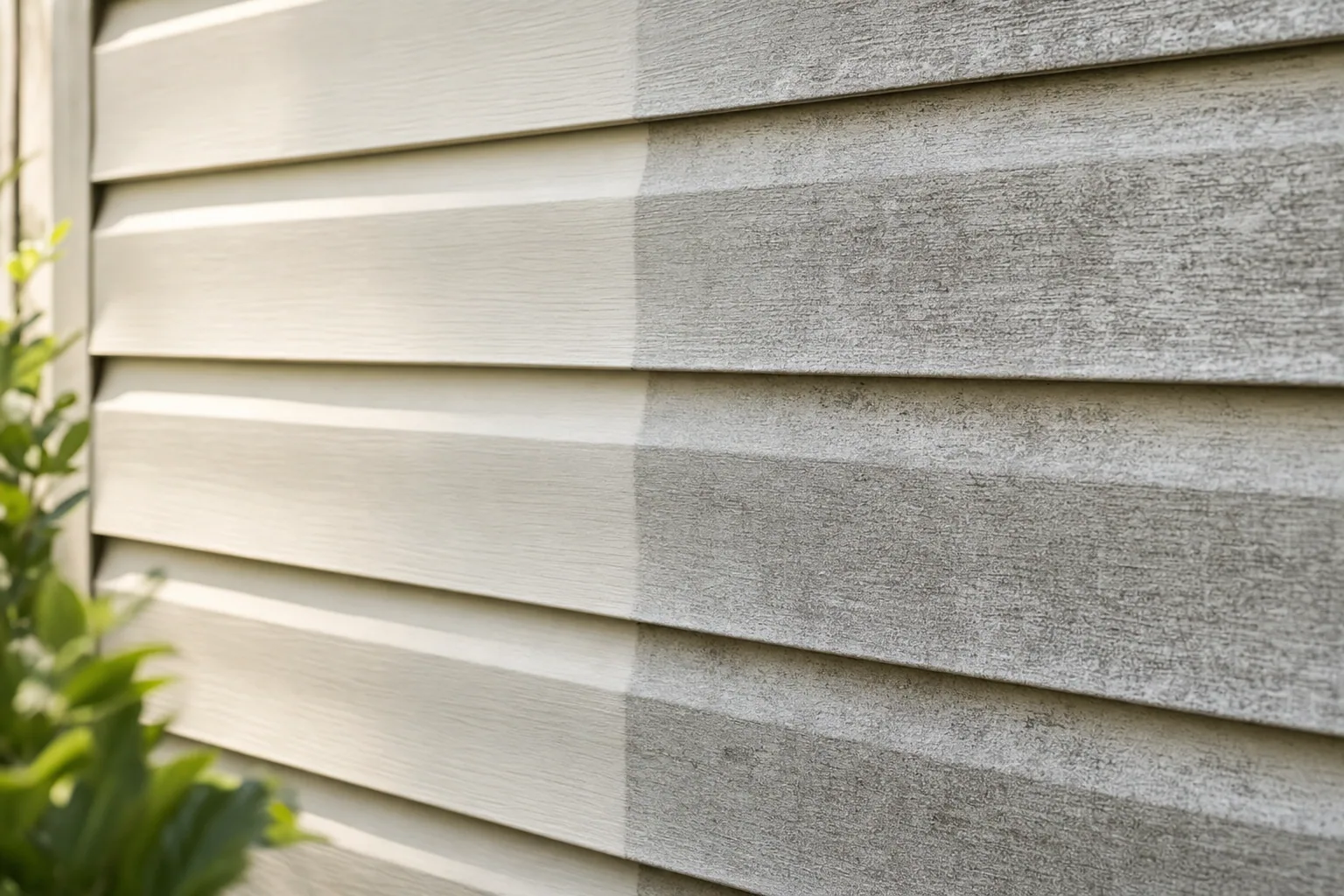
Your home's exterior takes a beating from the sun year-round. If you've noticed your vinyl siding looking dull, chalky, or noticeably lighter than it used to be, you're not alone. Faded vinyl siding is one of the most common complaints homeowners in Tulsa face, and it's almost always caused by prolonged UV exposure. While fading doesn't necessarily mean your siding is failing structurally, it's a sign that your exterior needs attention before more serious problems develop.
Understanding Faded Vinyl Siding
Vinyl siding is popular because it's affordable, low-maintenance, and durable. But despite its reputation, vinyl is not immune to the sun's powerful rays. UV radiation breaks down the chemical bonds in vinyl over time, causing the surface to lose its original color and develop a chalky, weathered appearance.
This process, called photodegradation, happens gradually. Your siding might look fine for five to ten years, but somewhere around year seven to twelve, the fading becomes noticeable. Homes with western or southern exposures typically see fading earlier because they receive more direct sunlight throughout the day.
The frustrating part is that faded siding isn't usually covered by manufacturer warranties. Most vinyl siding warranties specifically exclude color fading as a normal part of aging, which is why prevention matters so much.
Why UV Damage Happens to Vinyl
Vinyl siding is made from polyvinyl chloride (PVC) plastic. When UV light hits the surface, it penetrates the material and breaks down the molecular structure. This degradation weakens the siding and causes the pigments that give it color to fade.
Several factors speed up this process:
- Strong, direct sunlight exposure on south and west-facing walls
- High temperatures in summer months
- Reflection from water, concrete, or other reflective surfaces
- Living in regions with intense sun and low humidity
- Poor maintenance and lack of regular cleaning
Tulsa's hot summers and abundant sunshine create ideal conditions for UV damage. Even if you install high-quality vinyl siding, it will fade eventually. The question is how quickly and what you can do about it.
Recognizing Signs of Faded Vinyl Siding
Fading doesn't happen overnight, but you can spot the warning signs if you know what to look for. Early detection makes it easier to decide whether repair or replacement is your best option.
Common signs of UV damage include:
- Color appears dull or washed out compared to new siding
- Visible chalky residue on the surface when you run your hand over it
- Discoloration that's worse on south and west sides of your home
- Uneven color if parts of the siding are shaded by trees or structures
- Slight warping or brittleness in severely exposed areas
If you see chalking, that's photodegradation in action. The protective layer on the vinyl is breaking down, and the underlying material is becoming more vulnerable to weather and UV exposure.
The Real Risks of Ignoring Faded Siding
You might think faded siding is purely a cosmetic issue. It's true that color loss alone won't cause your home to leak or fail structurally. But fading is often a precursor to more serious problems.
As the protective pigment layer breaks down, the vinyl beneath becomes more porous and brittle. This makes the siding more susceptible to:
- Water infiltration and moisture damage
- Cracking and splitting
- Pest infestations through small gaps
- Reduced energy efficiency if siding is compromised
- Accelerated structural decay of the framing underneath
At Trifecta Roofing and Restoration, we've seen countless homes where faded siding was the first sign of deeper exterior problems. The good news is that addressing fading early, before the siding becomes structurally compromised, prevents much costlier repairs down the road.
Prevention and Maintenance Strategies
You can't stop UV rays, but you can slow the fading process significantly with smart maintenance and smart material choices.
Regular Cleaning Dirt, mildew, and algae trap moisture against the siding surface and accelerate degradation. Washing your siding twice a year, especially the south and west sides, removes these contaminants and helps the protective layer hold up longer.
UV-Protective Coatings Some homeowners apply UV-protective coatings to new vinyl siding to extend its color life. These products can add 5 to 10 years of protection, though they do need reapplication over time.
Shade and Landscaping If you're planning new trees or landscaping, strategically placed shade on the west side of your home can reduce UV exposure to your siding.
Choose Premium Materials Higher-quality vinyl siding with better pigment systems resists fading longer than budget options. If you're replacing siding, this investment pays for itself over decades.
Repair and Replacement Options for Faded Siding
Once fading is visible, your options depend on how much of your home is affected and how far the degradation has progressed.
Spot Repairs If only a few panels are severely faded or damaged, replacing just those sections is more affordable than a full exterior overhaul. This works best when the fading is uneven across your home.
Partial Replacement If one side of your home is significantly more faded than others, replacing the south and west-facing panels keeps your exterior looking cohesive without the cost of a complete job.
Full Siding Replacement When fading is widespread or the underlying siding has begun to fail, a complete replacement is the most sensible investment. Modern vinyl siding with enhanced UV protection will last longer and look better. At Trifecta Roofing and Restoration, we specialize in siding replacement and can guide you through material options, colors, and timelines.
One advantage of a full replacement is that you can choose new siding that better suits your home's current style and your personal preferences. It's also an opportunity to upgrade to more energy-efficient materials.
Why Professional Help Matters
Faded vinyl siding might seem like a cosmetic fix you could handle yourself, but professional assessment and installation make a real difference. When you call a contractor to inspect faded siding, they're looking beyond the color. They're checking for cracks, moisture, underlying structural damage, and proper drainage.
At Trifecta Roofing and Restoration, we don't just match colors or replace panels in isolation. We ensure that any repair or replacement work addresses the root causes of fading and prevents future moisture intrusion. Our commitment to quality means using top-grade materials and proven techniques that stand the test of time.
If you're noticing faded siding on your Tulsa-area home, don't wait until the problem spreads. A free inspection will give you a clear picture of what's happening and what your options are. Contact Trifecta today to schedule your no-obligation siding assessment.