

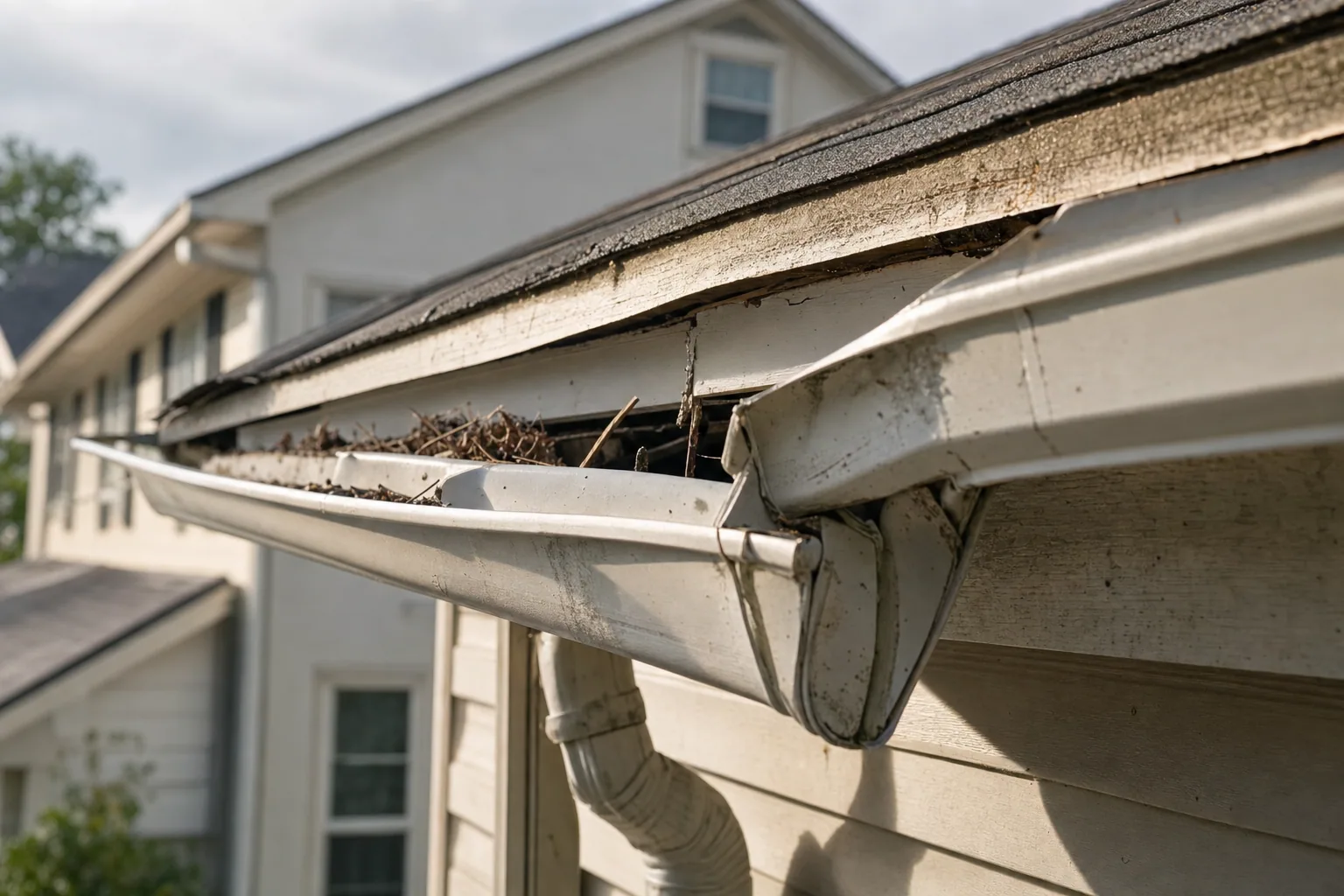
Storms can be brutal on your home's exterior, and your gutters often take the hardest hit. When high winds and hail roll through Tulsa and the surrounding areas, gutters become a prime target for damage. If your gutters are dented, separated, or clogged with debris after severe weather, you need to act fast. Water damage from faulty gutters can seep into your home's foundation, walls, and basement, turning a quick repair into an expensive restoration project.
This guide walks you through spotting gutter damage, understanding what caused it, and knowing when to call for professional help.
Signs of Storm Damage to Your Gutters
After a storm passes, take time to inspect your gutters from the ground level with binoculars or from a safe vantage point. Look for these telltale signs of damage:
- Visible dents, crease marks, or bends in the gutter channel
- Sections of gutter that sag or pull away from the fascia board
- Seams that have separated or are leaking water
- Gutters that hang unevenly or tilt to one side
- Missing or damaged downspouts
- Debris buildup, including shingles, twigs, and hail-knocked materials
- Water pooling or running over the edge instead of flowing to the downspout
Even small dents may not seem urgent, but they can trap water and debris, leading to rust, corrosion, and eventual leaks. Bent sections reduce the gutter's ability to channel water away from your home effectively.
Understanding the Root Cause
Not all gutter damage looks the same, and identifying what caused the damage helps you understand the scope of the problem. Wind, hail, and flying debris each leave distinct marks.
Wind damage typically pulls gutters away from the fascia or bends them along their length. You might see sections that have lifted up or separated at the seams. Hail leaves pockmarks and dents across the entire gutter surface, similar to what you would see on a dented car roof. Flying debris can puncture gutters, create holes, or bend them severely in localized spots.
If your gutters show multiple types of damage, your entire system may need attention. Storm damage often affects more than just the gutters themselves. Your roof, siding, and downspouts may also require inspection and repair.
Is It Gutter Repair or Replacement?
Once you have identified the damage, the next question is whether you need gutter repair or a full gutter replacement. This decision depends on several factors:
Minor Damage: Small dents that do not affect water flow, minor seam leaks, or a single loose section might be repairable. A professional can seal leaks, re-secure loose hangers, or reshape minor dents.
Moderate Damage: If multiple sections are dented, sagging, or the gutters are older than 15-20 years, repair costs may rival replacement costs. In such cases, replacement is often the smarter choice because new gutters come with a warranty and will last decades.
Severe Damage: Gutters with large holes, extensive separation, or severe sagging should be replaced. Patching severe damage rarely lasts long, and water will continue to find its way past compromised sections.
The cost of gutter repair can range depending on the extent of damage and your home's size. A full gutter replacement costs more upfront but provides long-term protection and peace of mind.
Water Damage Prevention Starts With Your Gutters
Your gutters are your home's first line of defense against water infiltration. When they fail, water runs down your exterior walls, pools around your foundation, and seeps into basements or crawl spaces. Over time, this moisture promotes mold growth, structural rot, and foundation damage.
Proper gutter function is essential for maintaining your home's integrity. By addressing gutter damage immediately after a storm, you prevent these costly problems from developing. Standing water in gutters and downspouts creates another hazard: it attracts pests and becomes a breeding ground for mosquitoes and other insects.
Documenting Damage for Insurance Claims
If a storm damaged your gutters, your homeowner's insurance may cover the cost of repair or replacement, especially if the damage resulted from wind or hail. To maximize your claim, document everything carefully.
Take clear photos and videos of the damage from multiple angles, including close-ups of dents, separations, and any water stains or damage inside your home. Write down the date of the storm and note any damage to other parts of your exterior, such as your roof or siding. Keep receipts and estimates from contractors.
When you file a claim, many insurance companies will send an adjuster to assess the damage. Having detailed photos and a professional contractor's evaluation strengthens your case. Trifecta Roofing and Restoration works directly with insurance companies to streamline the claims process and help you get fair reimbursement. A contractor's experience in communicating with insurers can mean the difference between a partial payout and coverage that reflects the true cost of repairs.
When to Call a Professional
While you can safely assess gutter damage from ground level, climbing a ladder to repair gutters after a storm is risky. Damaged gutters may be unstable, and you could fall or cause further injury to yourself or your home.
A professional gutter inspection identifies damage you might miss and recommends the best path forward. If your gutters are severely damaged or your roof was affected by the same storm, your inspection should include both systems. The team at Trifecta Roofing and Restoration provides comprehensive storm damage assessments that look at your entire exterior, not just gutters in isolation.
Professional contractors have the proper equipment, insurance, and expertise to repair or replace gutters safely and correctly. They also understand local building codes and can ensure your new gutters will handle Tulsa's weather patterns, including the heavy rains and severe storms common in our region.
Next Steps After Storm Damage
If you suspect gutter damage after a storm, here is what you should do:
- Document the damage with photos and note the date of the storm.
- Contact your insurance company to report the damage and ask about coverage.
- Get a free inspection from a local contractor who understands your area's weather challenges.
- Obtain at least one detailed estimate before proceeding with repairs or replacement.
- Choose a contractor with strong local references and experience handling storm damage claims.
Don't delay. The longer damaged gutters sit unrepaired, the higher the risk of water damage to your home's foundation, walls, and interior. A prompt assessment and repair now can save you thousands in restoration costs later.
Trifecta Roofing and Restoration is ready to help Tulsa homeowners assess and repair storm damage quickly and efficiently. Contact us for a free inspection and let us show you why local homeowners trust us with their most important investment.