

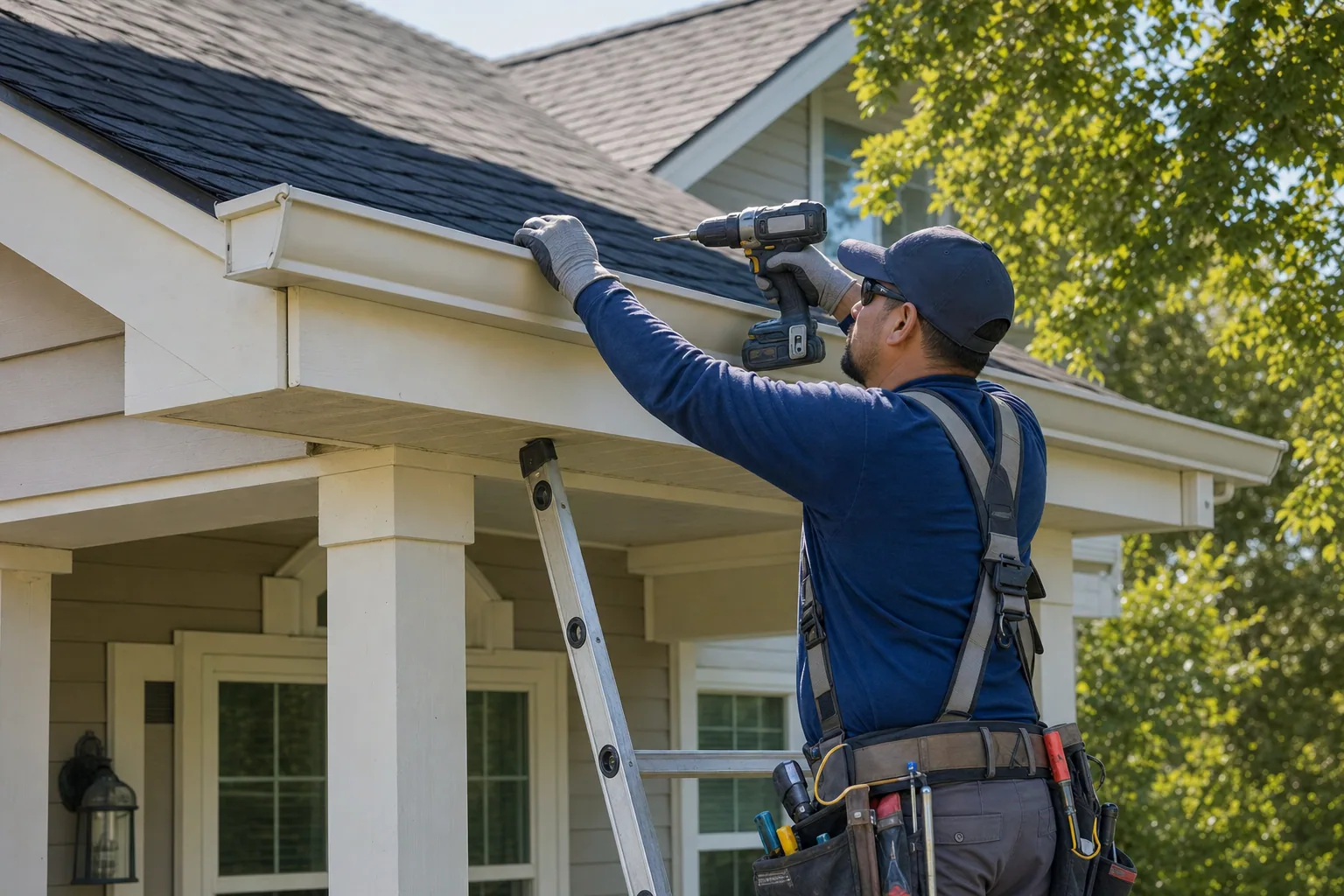
Your gutters are one of the most overlooked yet critical components of your home's exterior. They work quietly every day to channel water away from your foundation, walls, and landscaping. When gutters fail, water damage follows quickly. Whether you're dealing with aging gutters or planning an upgrade, understanding gutter installation, maintenance, and costs will help you protect your investment and avoid expensive repairs down the line.
At Trifecta Roofing and Restoration, we know that proper gutter systems are essential to preventing water damage and maintaining your property's structural integrity. In this guide, we'll walk you through what you need to know about keeping your gutters working as hard as they should.
Why Gutter Installation Matters
Installing the right gutters is about more than just directing rainwater away from your roof. It's a critical line of defense against foundation damage, basement flooding, and siding rot. When water pools around your home instead of flowing safely to the downspouts and away from the foundation, you risk serious structural problems that can cost thousands to repair.
Proper gutter installation ensures:
- Water flows smoothly toward downspouts without pooling or backing up
- Your foundation stays dry and stable
- Your siding, fascia, and soffit remain protected
- Landscape erosion is prevented
- Your home's resale value is protected
The installation process requires precision. Gutters must be pitched correctly so water doesn't pool in low spots, fasteners must be secure to handle heavy rainfall and debris weight, and downspouts must drain far enough from your foundation to be effective.
Understanding Gutter Installation Cost
Gutter installation cost varies based on several factors: the size of your home, the material you choose, the complexity of your roof line, and whether you need downspout work as well.
General cost considerations include:
- Material selection: Vinyl is typically the most affordable, while aluminum and steel offer better durability at a higher price point. Copper and high-end materials cost significantly more.
- Linear footage: The total length of gutters needed depends on your home's perimeter.
- Existing condition: Removing old gutters, repairing damaged fascia, or addressing foundation issues adds to the total cost.
- Downspout extensions: Installing downspout systems that divert water away from your foundation increases the overall investment.
- Gutter guards: Adding protection against debris adds cost but can reduce maintenance significantly.
While it's tempting to choose the cheapest option, investing in quality installation from experienced professionals like Trifecta Roofing and Restoration pays dividends. Poor installation leads to water damage, foundation problems, and expensive repairs that far exceed the cost of doing it right the first time.
How to Install Gutters: Key Steps
If you're curious about the gutter installation process, here's what professional installers do:
- Measure and plan: Determine the exact linear footage needed and establish proper pitch (typically 1/4 inch of slope per 10 feet of gutter length).
- Remove old gutters: Safely take down and dispose of existing gutters and downspouts.
- Inspect and repair: Check the fascia board and soffit for damage. Replace or repair any compromised wood before installing new gutters.
- Install new gutters: Attach gutters using proper spacing and secure fasteners, maintaining correct pitch throughout.
- Attach downspouts: Install downspouts with proper connections and angle them away from the foundation.
- Seal joints: Apply quality sealant to all seams to prevent leaks.
- Test the system: Run water through the gutters to ensure proper drainage and verify no pooling occurs.
While DIY installation is technically possible for handy homeowners, most professionals recommend hiring experienced contractors. Working at height is dangerous, and improper pitch or fastening can cause problems almost immediately.
Best Gutter Guards Protect Your Investment
Gutter guards and gutter protection systems have become increasingly popular, and for good reason. They reduce the frequency of gutter cleaning by keeping leaves, twigs, and debris out while still allowing water to flow freely.
Common gutter guard options include:
- Mesh screens: Affordable and straightforward, though finer debris can accumulate on top
- Solid covers: Direct water into the gutter while blocking debris completely
- Reverse-curve systems: Use the surface tension of water to guide it into the gutter while debris falls past
- Brush inserts: Bristles catch debris while water flows through
The best gutter guards for your home depend on your local climate, tree coverage, and maintenance preferences. In Tulsa's climate with frequent storms and varied tree coverage, a high-quality guard system can save you time and reduce the risk of overflow during heavy rain.
Gutter Maintenance: Keep Your System Working
Even well-installed gutters need regular maintenance to perform optimally. Here's what homeowners should do seasonally:
Spring and Fall (critical times):
- Remove accumulated leaves and debris by hand or with a gutter scoop
- Flush gutters with a hose to clear smaller debris and check drainage
- Inspect for sagging sections, loose fasteners, or separation from the fascia
- Check downspouts for clogs and clear them if needed
After storms:
- Inspect for damage, dents, or misalignment caused by high winds or hail
- Clear any debris deposited by the storm
- Check that all seams remain sealed
Year-round:
- Watch for water stains on your siding or foundation that indicate drainage problems
- Listen for water overflow during rainfall
- Trim tree branches that hang over your roof to reduce debris
Regular maintenance prevents small problems from becoming major headaches. A gutter that's slightly out of pitch might drain fine in light rain but overflow in a heavy downpour. A loose fastener might seem minor until a storm hits and the section pulls away from your fascia.
When to Replace Your Gutters
Even with proper maintenance, gutters don't last forever. Most systems last 15 to 25 years depending on material and climate. Signs that replacement is needed include:
- Visible rust, cracks, or separating seams
- Water damage on your siding, soffit, or fascia
- Basement dampness or foundation moisture problems
- Gutters pulling away from the house or sagging visibly
- Repeated overflow problems even after cleaning
- Age beyond 20 years
If you've experienced recent hail or high winds, have a professional inspection done. Storm damage to gutters might not be immediately obvious, but hidden vulnerabilities can lead to serious water damage. Trifecta Roofing and Restoration works with most insurance claims to make gutter replacement affordable and stress-free after severe weather.
Protecting your home starts with protecting it from water. Proper gutter installation, regular maintenance, and timely replacement keep water flowing away from your foundation and siding where it belongs. If you're unsure about the condition of your gutters or need professional installation, reach out to the trusted Tulsa experts at Trifecta Roofing and Restoration. We combine quality materials with transparent communication to keep your home safe and sound.