

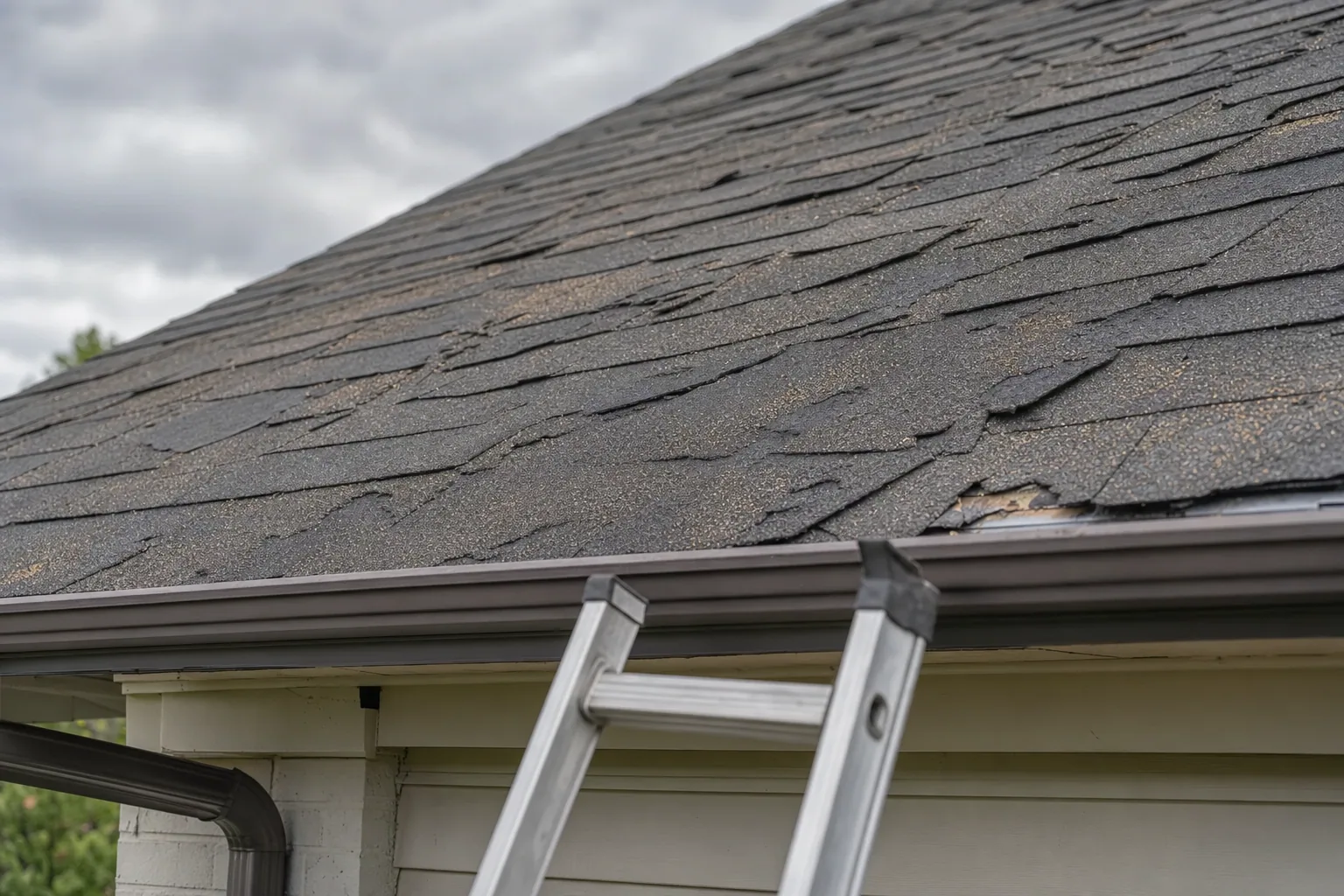
Hail storms can strike Tulsa and the surrounding areas with little warning, leaving your roof vulnerable to damage that may not be immediately obvious. A single hailstorm can compromise your roof's ability to prevent water damage and maintain your home's structural integrity. The challenge is that many homeowners don't realize their roof has been damaged until water starts leaking into their attic or upper floors.
Trifecta Roofing and Restoration has helped hundreds of Tulsa-area homeowners navigate the aftermath of severe weather, and we know what to look for. This checklist will guide you through a hail damage roof inspection so you can catch problems early and avoid costly repairs down the road.
What Hail Does to Your Roof
When hail impacts asphalt or fiberglass shingles, it doesn't always leave a hole. Instead, hail damage often appears as bruises, dents, or areas where the protective granule layer has been stripped away. This granule loss is critical because those tiny pebbles protect the asphalt underneath from UV rays and weather exposure.
Once granules are missing, your shingles age much faster. Water can penetrate compromised shingles more easily, leading to leaks that may take weeks or months to become visible inside your home. That's why early detection of hail damage is so important. A prompt roof hail damage inspection can identify vulnerable spots before they turn into expensive water damage problems.
Safety First: Know Your Limits
Before you grab a ladder and climb onto your roof, understand that roof inspections come with real safety risks. If you're uncomfortable with heights or lack experience on steep pitches, skip the DIY approach and call a professional. One slip can result in serious injury.
If you do decide to inspect your roof yourself, wait for clear, dry weather and use a sturdy ladder with someone spotting you. Better yet, use binoculars to scan your roof from the ground. Many hail damage signs are visible without climbing at all.
The Hail Damage Inspection Checklist
Use this step-by-step checklist to identify potential hail damage on your roof:
Ground-Level Inspection (No Ladder Required)
- Look at the roof surface from your yard or driveway using binoculars.
- Check for shingles that appear darker or have missing areas of granules.
- Scan the gutters and downspouts for granule accumulation that looks like dark sand.
- Look at the exposed metal of gutters, flashing, and downspouts for dents or impact marks.
- Check your attic for water stains on the underside of the roof or rafters.
- Look in the attic for signs of light coming through the roof deck.
Close-Up Inspection (Ladder or Professional)
- Examine individual shingles for soft spots or areas that feel spongy.
- Look for cracked, split, or torn shingles.
- Check for dents in shingles that may be hard to see from a distance.
- Inspect the areas around roof penetrations like vents, chimneys, and skylights.
- Look at roof flashing for dents, cracks, or separation from the roof.
- Check the edges and corners of the roof, where hail impact is often most severe.
- Look beneath lifted shingles for water stains on the plywood underneath.
Key Signs of Roof Hail Damage
Even if you don't find obvious holes or tears, watch for these subtle indicators that your roof has sustained hail damage:
Granule Loss: Look for bare spots on shingles or an unusual accumulation of dark material in your gutters. Granule loss exposes the asphalt layer and accelerates aging.
Soft Spots and Bruising: Press gently on shingles as you inspect them. Hail-damaged areas may feel softer or show visible indentation.
Missing or Lifted Shingles: Hail can dislodge shingles from their fasteners, leaving them partially exposed. These will allow water underneath.
Dents in Metal Components: Gutters, downspouts, metal trim, and flashing are easier to dent than shingles. If you see denting patterns on these, your roof likely took hits too.
Curling or Cracking: Some shingles may curl at the edges or develop cracks radiating outward from impact points.
Why This Matters for Your Insurance
One of the biggest reasons to perform a hail damage inspection promptly is that your insurance policy may require it. Many insurers have strict timelines for filing hail damage claims. The longer you wait, the harder it becomes to prove that damage came from the recent storm rather than normal wear and tear.
If you're planning to file an insurance claim, document everything with photos and notes. Take pictures of damaged shingles, granule loss, dents, and any interior water damage. Keep records of the storm date and time. This documentation is invaluable when working with your insurance adjuster.
Trifecta Roofing and Restoration works directly with most insurance companies to streamline the claims process. We understand how to present damage documentation in a way that maximizes your coverage, which means less out-of-pocket cost for you.
When to Call a Professional
If your inspection reveals any of the following, contact a roofing professional immediately:
- Visible water stains in your attic or on interior ceilings
- Missing, cracked, or lifted shingles
- Significant granule loss
- Dents in multiple areas of the roof or on metal components
- Any signs of active leaking, even small drips
A professional roof hail damage inspection is more thorough than a homeowner's walkthrough. Experienced roofers know exactly where hail tends to hide damage, can access hard-to-see areas safely, and can provide documentation suitable for insurance claims.
If you're in Tulsa or the surrounding area and want a detailed assessment of your roof's condition after a hail storm, Trifecta Roofing and Restoration offers free inspections. Our team combines expertise with transparent communication, so you'll understand the extent of any damage and your next steps before we ever discuss repair options.
What Happens Next
If you confirm hail damage, the next decision is whether to repair or replace the affected shingles. Small damaged areas may be repairable, but if hail damage is widespread, replacement might be the more cost-effective long-term solution. A professional roofer can help you weigh these options and ensure any repairs meet industry standards and maintain your insurance validity.
The key takeaway: don't ignore potential hail damage. Acting quickly protects your home from water damage, supports your insurance claim, and gives you peace of mind knowing your roof is secure. If you're unsure whether your roof has hail damage, reach out to Trifecta Roofing and Restoration for a free, no-obligation inspection. We're local to Tulsa and understand the unique weather challenges homeowners face in our region.