

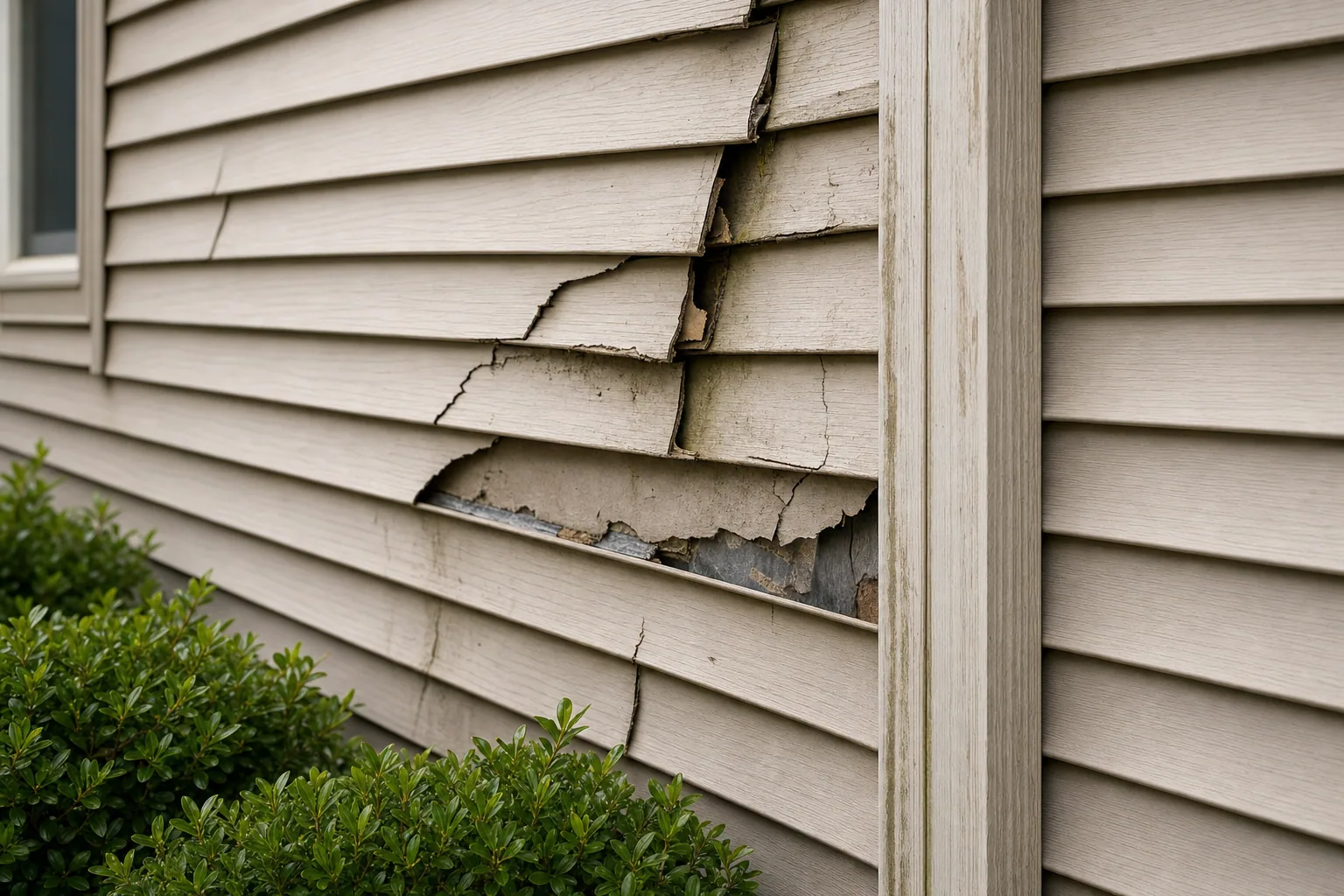
Your home's siding is its first line of defense against weather, pests, and structural decay. When siding fails, water seeps in, energy efficiency drops, and repair costs skyrocket. The good news is that spotting damage early gives you time to act before small problems become expensive ones.
At Trifecta Roofing and Restoration, we work with Tulsa homeowners every day who wish they had caught siding issues sooner. Learning what to look for can save you thousands of dollars and protect your home's integrity.
Visible Cracks and Splits
Cracks in siding are never normal and should be addressed immediately. Look for both fine hairline fractures and larger splits, especially in vinyl or wood siding. These openings invite water inside, where it can cause rot, mold, and structural damage you won't see until it's severe.
Check corners, around windows and doors, and along seams where different sections meet. These stress points are most vulnerable to cracking from temperature changes and settling. Even small cracks expand as your home shifts with the seasons.
If you find cracks, document them with photos and contact a contractor soon. Depending on the damage, you may need siding repair or replacement.
Warping and Buckling
Siding should lie flat against your home. If panels bow outward, cup inward, or appear wavy, moisture or heat damage is likely underneath. Warping often signals that water has penetrated behind the siding and is affecting the underlying structure.
Wood siding warps from moisture exposure and rot. Vinyl siding can buckle from improper installation or extreme heat. Either way, warped siding no longer seals properly, allowing more moisture to enter your home.
Walk around your house in good daylight and look along the entire wall surface. Any visible waves or bends warrant a professional inspection. The longer warping persists, the more damage spreads to sheathing and framing behind it.
Peeling Paint and Discoloration
Paint peeling from siding tells you that moisture is pushing outward from behind the panels. This happens when water gets trapped and begins to break the paint-to-surface bond. Discoloration, staining, or chalky residue also suggests moisture problems or mold growth.
Stains that don't wash away with a gentle cleaning, dark streaks, or unusual patches of color are red flags. These marks often appear around seams, at the bottom of walls, or near gutters where water collects.
Discoloration can also indicate algae or mold beginning to colonize your siding. Beyond being unsightly, mold growth promotes structural decay and creates health concerns inside your home. Act quickly if you see it.
Gaps and Separation at Seams
Siding panels should meet snugly with no visible gaps. When seams open up, water runs directly behind your siding and into wall cavities. Gaps typically form from settling, poor original installation, or years of expansion and contraction.
Run your finger along seams and caulking lines. Feel for cracks or gaps wider than a credit card. Check especially around:
- Window and door frames
- Corner boards
- Transitions between different siding materials
- Where siding meets roofline or foundation
Caulk can shrink, crack, or fall out over time. If caulk is missing or failing, water will find its way inside. Regular maintenance and timely recaulking prevent deeper problems.
Signs of Pest Damage and Infestations
Damaged siding invites bugs and rodents. Small holes, tunnels, or chewed sections indicate pest activity. Carpenter ants, termites, and woodpeckers all target compromised siding as entry points to your home.
Look for small round or irregular holes, sawdust around the base of panels, or hollow-sounding areas when you tap siding. If you spot these signs, pests may already be inside. Trifecta Roofing and Restoration's siding solutions are designed to halt structural decay and prevent pest infestations, protecting your home before bugs take hold.
Don't wait if you see pest damage. A professional inspection can determine whether the siding itself needs replacement or whether structural damage runs deeper.
Soft or Rotted Sections
Press gently on different areas of your siding with your hand or a flathead screwdriver. Wood siding that feels soft, spongy, or gives easily has begun to rot. Rotted wood cannot perform its protective function and will continue deteriorating.
Rot happens when wood siding stays wet for extended periods. It spreads quickly once it starts, eating through both the siding and the sheathing behind it. By the time you notice soft spots, there may be hidden damage inside the walls.
If you find soft sections, call a contractor right away. Early intervention can sometimes save framing and sheathing. Delayed action often means more expensive repairs.
Rising Energy Bills
Failing siding compromises your home's thermal envelope. If your heating and cooling costs are rising without explanation, damaged siding may be allowing conditioned air to escape. Water infiltration behind siding also reduces insulation value and promotes energy loss.
Energyefficient siding not only looks better but keeps your utility bills in check. When siding performs well, your HVAC system doesn't have to work as hard.
What to Do When You Spot Damage
If you notice any of these warning signs, take these steps:
- Document damage with clear photos from multiple angles
- Note when you first noticed the problem
- Check for interior signs like water stains, mold, or soft drywall
- Contact a local contractor for a professional inspection
- Get a detailed estimate before authorizing work
Trifecta Roofing and Restoration offers free consultations and no-obligation inspections. Our team knows Tulsa's climate and the specific wear patterns that affect homes in our area. We can identify problems you might miss and recommend the best repair or replacement strategy for your situation.
Preventing Future Siding Damage
While regular inspections catch problems early, maintenance extends siding life. Keep gutters clean so water doesn't back up against siding. Trim tree branches that rub or touch siding. Pressure wash your home gently each year to remove mold and algae. Caulk cracks promptly. Paint or stain wood siding on schedule.
Choosing quality materials matters too. Vinyl, steel, aluminum, and engineered wood each have strengths. Trifecta Roofing and Restoration specializes in all siding types and can help you choose durable materials suited to Tulsa's weather patterns.
Catching siding damage early saves money, protects your home's structure, and keeps your family safe. Don't ignore warning signs. Schedule an inspection today and get peace of mind knowing your home's exterior is sound.