

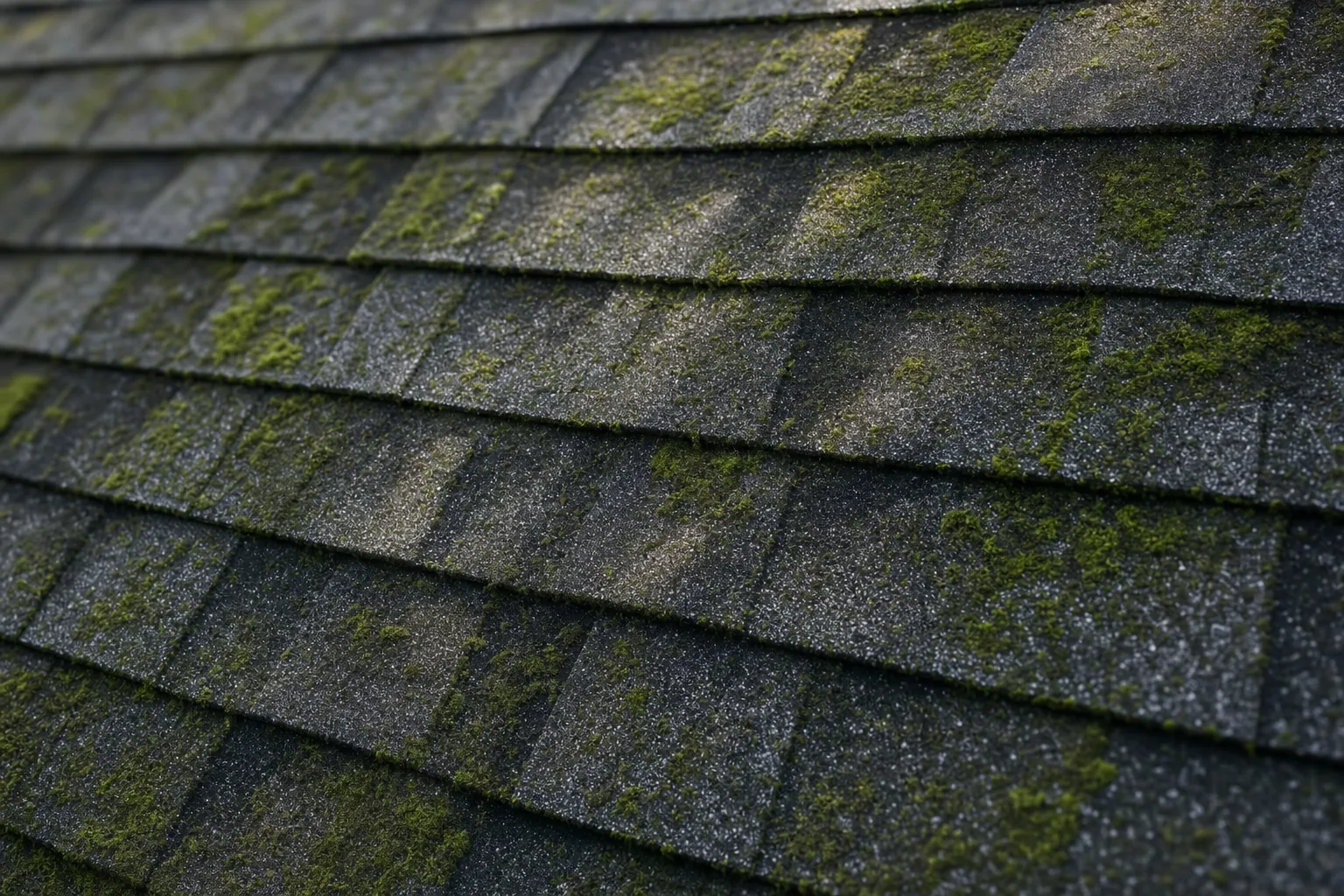
Moss on your roof might look like a minor cosmetic problem, but it can quickly become a serious issue if left unchecked. The green or gray growth creeping across your shingles signals moisture retention, poor drainage, or simply the right conditions for biological growth. Whether you need a quick cleaning or a full replacement depends on several factors, and understanding those factors now can save you thousands in water damage later.
What Causes Moss and Algae on Roofs
Moss and algae thrive in damp, shaded environments. If your roof stays wet for extended periods because of poor drainage, overhanging tree branches, or a low-slope design, you are creating the perfect breeding ground. Algae appears as dark streaks or stains, while moss grows thicker and can lift shingles over time.
Tulsa's humid climate and frequent rainfall create ideal conditions for both. Roofs that face north or are heavily shaded by trees are especially vulnerable. Even a slight moisture imbalance can invite growth that spreads quickly if not addressed.
The real danger is not the appearance alone. Moss holds moisture against your shingles, accelerating decay and reducing their lifespan. Algae, while less destructive, is a sign that moisture is lingering where it should not be.
When Cleaning Is Enough
If your roof is relatively young (under 15 years old), the shingles are still in good condition, and the moss or algae growth is light to moderate, cleaning can restore function and appearance. A professional cleaning removes the growth and allows your roof to dry properly again.
Roof Cleaning Cost Considerations
A professional roof cleaning typically ranges from $500 to $1500 for an average Tulsa home, depending on roof size and severity of growth. This is far less expensive than a replacement, making it an attractive option if your roof is otherwise healthy.
During cleaning, a professional contractor should also identify underlying issues:
- Check for damaged or lifted shingles
- Inspect flashing and valleys for leaks
- Clear gutters and downspouts
- Recommend drainage improvements (like trimming trees)
After cleaning, consider preventative treatments. Some contractors apply copper or zinc strips along the ridge, which slow regrowth by releasing metals into rainwater. Others use biodegradable algae inhibitors that discourage future colonization without harming your roof or landscaping.
When Replacement Is the Better Choice
Replacement becomes the smarter investment if your roof is already aging, shingles are curling or cracked, or the moss problem is severe and recurring. Once moss has lifted shingles or gotten under them, cleaning alone will not restore a watertight seal.
Signs that replacement is overdue:
- Shingles are visibly curled, cracked, or missing granules
- The roof is over 20 years old (most asphalt shingles last 15-25 years)
- You have a history of leaks or water damage in the attic
- Moss returns within 1-2 years of cleaning
- Multiple spots on the roof show advanced decay or rot
Trifecta Roofing and Restoration offers both residential roof repair and replacement services tailored to Tulsa's climate. If your roof is compromised, a full replacement using top-grade materials prevents years of water damage and maintains your home's structural integrity. A new roof also supports energy efficiency, helping your HVAC system work less hard to heat and cool your home.
How to Remove Algae from Roof Safely
If you decide to clean, hire a professional rather than attempting it yourself. Walking on a moss-covered roof is dangerous, especially when wet. Poor technique can also damage shingles or allow water to penetrate seams and valleys.
Professional cleaning methods include:
- Low-pressure washing with specialized cleaning solutions
- Manual scraping and brush work for stubborn areas
- Soft-wash techniques that kill spores without blasting the surface
High-pressure washing is generally avoided because it strips protective granules from shingles and forces water under edges, causing future leaks.
Prevention After Cleaning
Once your roof is clean, preventing regrowth extends its life and keeps your home protected. Key steps include:
- Trim overhanging tree branches to increase sunlight and airflow
- Keep gutters and downspouts clear so water drains quickly
- Install attic ventilation to reduce moisture and temperature extremes
- Consider copper or zinc ridge strips to inhibit algae and moss
- Schedule annual inspections to catch problems early
Many Tulsa homeowners find that a combination of preventative measures cuts regrowth significantly. A well-ventilated, adequately lit roof is less hospitable to moss, even in our humid climate.
Making Your Decision
Your choice between cleaning and replacement ultimately comes down to age, overall condition, and the severity of growth. A recent inspection by a licensed contractor removes the guesswork. They can tell you whether your roof has 5-10 good years left or is already at the end of its lifespan.
If you are unsure about the state of your roof, a professional assessment is worth the peace of mind. Small problems caught early are far cheaper to fix than water damage discovered in your attic or interior walls months later.
Trifecta Roofing and Restoration serves Tulsa and surrounding Tulsa County with transparent communication every step of the way. Whether you need a cleaning with preventative treatment, a targeted repair, or a full replacement, our team will walk you through the options and help you make the choice that protects your home and your budget. Contact us today for a free inspection and honest assessment of what your roof needs.