

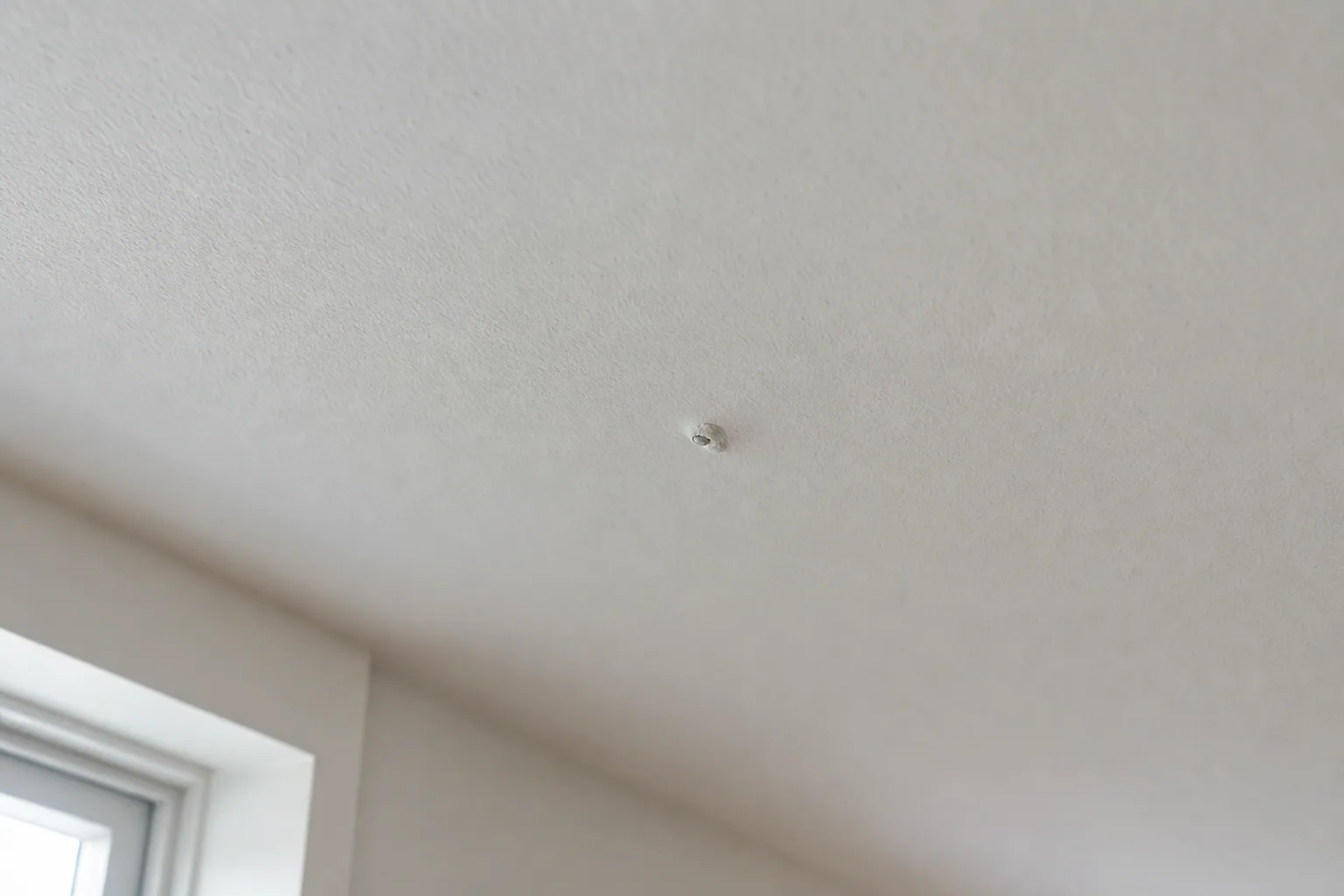
If you've noticed small bumps or dimples appearing in your ceiling drywall, you've spotted what contractors call nail pops. These aren't just cosmetic annoyances. Nail pops in ceiling surfaces can signal underlying structural issues that range from normal house settling to serious roof or foundation problems. Understanding what causes them and when to worry is critical to protecting your home.
What Causes Nail Pops in Drywall?
Nail pops occur when fasteners holding drywall panels to framing members work loose and push outward, creating a visible bump in the finished surface. This happens because drywall naturally shrinks as it dries after installation. Framing lumber also shifts and settles over time, especially in newer homes during the first few years.
The primary culprits include:
- Drywall shrinkage and lumber movement during the first 1-3 years after construction
- Poor fastening techniques, such as nails driven at incorrect angles
- Inadequate fastening spacing or the use of regular nails instead of drywall screws
- Vibration from heavy foot traffic above (if pops appear in ceiling drywall)
- Moisture exposure that causes wood framing to expand and contract
In older homes, nail pops are often a one-time problem that stabilizes once the building reaches structural equilibrium. However, recurring or widespread nail pops point to something more serious.
Roof Damage and Nail Pops
One significant cause of persistent nail pops in ceiling drywall is roof damage or inadequate roof ventilation. Here's why this connection matters:
When your roof leaks or allows excess moisture into the attic space, water exposure makes wood framing swell and shift. This movement stresses the fasteners holding drywall in place below, causing nails to pop repeatedly. Additionally, poor attic ventilation traps warm, humid air that escapes from your living spaces. This moisture causes framing lumber to expand unevenly, loosening fasteners and triggering pops.
If you're seeing nail pops primarily in ceiling areas directly below your roof line, especially after heavy rain or during humid months, moisture intrusion is likely the culprit. When you address roof damage with Trifecta Roofing and Restoration, addressing the water damage prevention ensures your framing stays stable and nail pops don't return.
Foundation Settlement and Structural Movement
Foundation issues create a different but equally concerning scenario. When a home's foundation settles unevenly, the entire frame shifts slightly. This movement stresses drywall fasteners throughout the house, causing nail pops to appear in walls and ceilings.
Structural settlement is most common in new construction during the first 1-3 years, but it can also signal foundation problems if:
- Pops appear in clusters or patterns along walls and ceilings
- You notice cracks in drywall, brick, or foundation concrete alongside the pops
- Doors or windows become difficult to open and close
- You see visible separation where walls meet the ceiling or foundation
Minor settling is normal and typically self-limiting. Severe or ongoing settlement, however, requires a structural inspection by a qualified professional. Foundation issues can impact your entire home's integrity, including your roof and siding systems.
When to Call a Professional
Not every nail pop demands urgent attention, but knowing when to reach out can save you money and headache later. Contact a contractor if:
- Nail pops appear suddenly after a roof leak, storm, or water damage event
- Pops return repeatedly in the same location after you've had them patched
- Multiple pops appear throughout your home in a short time frame
- Pops accompany other signs of structural issues, like cracks or uneven floors
- You live in a newer home (under 3 years old) and want professional assessment
Trifecta Roofing and Restoration specializes in identifying the root cause of water damage and moisture problems. If nail pops in your ceiling trace back to roof damage or inadequate attic ventilation, our team can address those issues comprehensively. By preventing water damage and improving attic air flow, we help ensure your drywall stays stable and your home remains sound.
Distinguishing Between Roof, Foundation, and Normal Settling
The location and pattern of nail pops offer clues about their source:
Ceiling pops in clusters often indicate roof leaks or moisture issues. Look for water stains, dark spots, or soft drywall around the pops. These signal moisture exposure that demands immediate roof inspection.
Scattered pops throughout the home suggest foundation settlement or general structural movement. This pattern is especially common in new construction.
Pops in a straight line along walls may indicate framing movement where walls meet upper-floor joists. This is typically normal settling.
Pops with visible cracks in surrounding drywall warrant professional structural evaluation to rule out serious foundation problems.
When moisture is the culprit, you may notice pops returning even after patching. This is because the underlying moisture problem persists. Fixing the drywall without addressing the roof or ventilation issue simply masks the real problem.
Taking Action: Repair and Prevention
Once you've identified the cause, repair becomes straightforward. Simple nail pops in stable homes can be fixed by patching:
- Remove the protruding nail or fasten a drywall screw nearby to pull the panel back flush
- Fill the depression with lightweight joint compound
- Sand smooth and paint
However, if moisture or structural movement is driving the pops, you must address the underlying cause first. Otherwise, the problem will return.
For roof-related issues, professional inspection and repair prevents ongoing moisture infiltration. Trifecta Roofing and Restoration works to prevent water damage and maintain your home's exterior integrity, which directly protects the drywall and framing inside. For foundation concerns, consult a structural engineer or foundation specialist who can assess whether settling is normal or symptomatic of a deeper problem.
Your Next Step
Nail pops might seem minor, but they often reveal important information about your home's condition. Whether they point to roof damage, foundation movement, or simply normal settling, understanding the cause helps you protect your investment. If you suspect roof or moisture issues are behind recurring nail pops in your Tulsa-area home, reach out to Trifecta Roofing and Restoration for a free inspection. Our experienced team can identify water damage risks, improve your attic ventilation, and restore your home's exterior to keep problems from developing below the surface.