

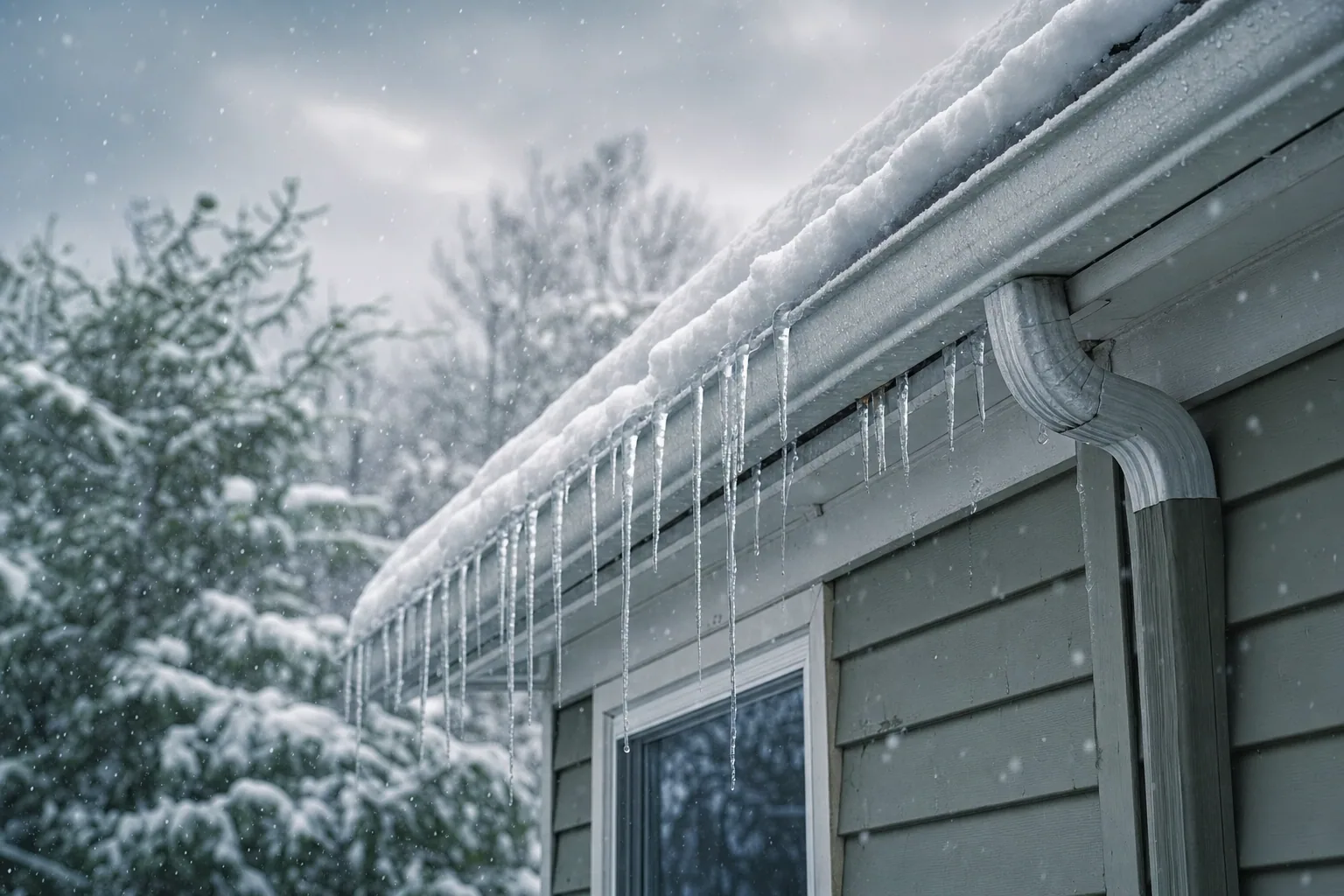
Winter brings freezing temperatures, snow, and ice that put your roof under stress. If you have a roof leak, winter is often when it becomes impossible to ignore. Water dripping through your ceiling, stains on walls, and potential mold growth can happen faster than you might expect. Understanding what causes roof leaks in winter and knowing what to do about them can save your home from serious damage.
Why Winter Makes Roof Leaks Worse
Winter conditions create a perfect storm for roof leaks. Snow and ice add weight to your roof, and when temperatures fluctuate above and below freezing, water expands and contracts in ways that exploit every weak point. If your roof already has minor issues like worn shingles, cracked flashing, or gaps in sealant, winter will expose them.
The freeze-thaw cycle is especially damaging. During the day, snow melts and water runs down your roof. When temperatures drop at night, that water refreezes, and ice dams can form at the roof's edge. Ice dams prevent water from draining off, forcing it back under your shingles where it seeps into your home.
Tulsa winters may not be as harsh as northern climates, but our fluctuating temperatures make this cycle particularly problematic. One day it might be 50 degrees with rain, and the next day it's below freezing.
Common Winter Roof Leak Causes
Different areas of your roof fail in different ways. Knowing where to look helps you spot trouble early.
Ice Dams: These form when melting snow refreezes at the eave, blocking drainage. Water backs up under the shingles and leaks into your attic and walls.
Flashing Failures: Flashing is the metal trim that redirects water around chimneys, vents, and valleys. Winter expansion and contraction can crack the flashing or break the sealant holding it in place. When flashing fails, water pools and leaks directly into your home.
Missing or Damaged Shingles: Wind, hail, and time all wear shingles down. Winter storms expose any weak spots, and damaged shingles don't redirect water the way they should.
Inadequate Attic Ventilation: If warm air from inside your home rises into the attic, it can melt snow on the roof unevenly, creating channels where water can back up under shingles.
Blocked Gutters and Downspouts: Leaves, debris, and ice can clog gutters. When water can't drain, it pools on your roof and eventually finds its way inside.
How to Detect a Roof Leak Early
A water stain on your ceiling is the obvious sign, but don't wait for that. Early detection stops small leaks from becoming expensive problems.
Look for these warning signs:
- Damp spots or discoloration on interior ceilings or upper walls
- Musty smells in the attic or upper rooms
- Peeling paint or bubbling wallpaper near the roofline
- Mold or mildew growth in corners or along wall seams
- Dark streaks or stains running down the outside of your home
- Missing or curled shingles visible from the ground
If you notice any of these, it's time to get professional help. Trying to inspect your own roof during winter is dangerous, and surface-level checks might miss hidden vulnerabilities.
Quick Temporary Fixes
If water is actively dripping into your home during a winter storm, you need immediate action. While these temporary fixes buy you time, they are not permanent solutions.
Inside Your Home:
- Place buckets under the drips to catch water and protect flooring and furniture.
- Open up the attic or crawlspace access in that area if safe to do so. Move insulation away from the leak to help water drain to the bucket rather than spreading into the insulation.
- Dry everything thoroughly to prevent mold growth.
Outside Your Home (only in safe conditions):
- If you can safely access the roof and the ice dam is accessible, carefully break up ice dams by chipping away at the edge nearest the gutter. Do not use salt, which damages the roof.
- Lay calcium chloride ice melt products (not rock salt) in a line at the edge of the ice dam to create a channel for water drainage.
- Never work on a roof during active weather or if it's icy and slippery.
These steps reduce immediate damage but do not fix the underlying problem. You still need a professional roof leak repair once the weather stabilizes.
When to Call a Professional
Don't gamble with your home's structural integrity. Water that gets into walls and attics causes mold, rots wood framing, and undermines your home's value and safety. Professional roofers can locate the exact source of the leak, which is often not directly above the stain you see inside.
Trifecta Roofing and Restoration specializes in identifying and repairing roof leaks with precision. The team uses top-grade materials and proven techniques to deliver results that stand the test of time. Many Tulsa homeowners trust Trifecta for emergency roof leak repair because the company works quickly and communicates clearly throughout the process.
If your leak is tied to storm damage, Trifecta also works directly with insurance companies to make the claims process easier and more cost-effective. That partnership can mean the difference between paying out of pocket and having your repairs covered.
Preventing Winter Roof Leaks
The best fix is prevention. A few proactive steps in fall can save you thousands in spring.
- Inspect your roof and flashing before winter. Look for cracked or missing shingles, gaps in sealant, and rust spots on flashing.
- Clean gutters and downspouts so water drains freely from your roof.
- Trim tree branches that hang over your roof to reduce debris and ice buildup.
- Add attic ventilation if yours is inadequate. Proper airflow prevents moisture and uneven snow melt.
- Consider installing heat cables along the eave to prevent ice dam formation, though these are a band-aid for a larger problem.
- Have a professional inspection done annually, especially after severe weather.
What Not to Do
When you're stressed about water damage, it's easy to make mistakes that cost more money later.
Don't ignore a small leak hoping it goes away. Winter leaks get worse, not better, and the damage spreads into your walls and attic where you can't see it.
Don't use rock salt to melt ice dams. Rock salt corrodes metal flashing and shingles, creating more leaks.
Don't climb onto a winter roof yourself unless you have professional-level experience and proper safety equipment. A slip can mean serious injury or worse.
Don't seal roof leaks with caulk or roofing cement as a permanent fix. These materials fail under temperature extremes and are not a substitute for proper repair.
Taking Action Now
Roof leaks don't fix themselves, and winter makes them worse every day. Whether you're dealing with active water dripping into your home right now or you want to prevent winter damage before it starts, professional help is your best investment.
Trifecta Roofing and Restoration has earned a 4.9-star rating across more than 150 reviews because the team combines expertise with unwavering commitment to quality. Most customers come through word-of-mouth because they trust Trifecta to handle the problem right the first time. If you need roof leak detection or emergency roof leak repair in Tulsa, reach out today for a free consultation and honest assessment of your roof's condition.