

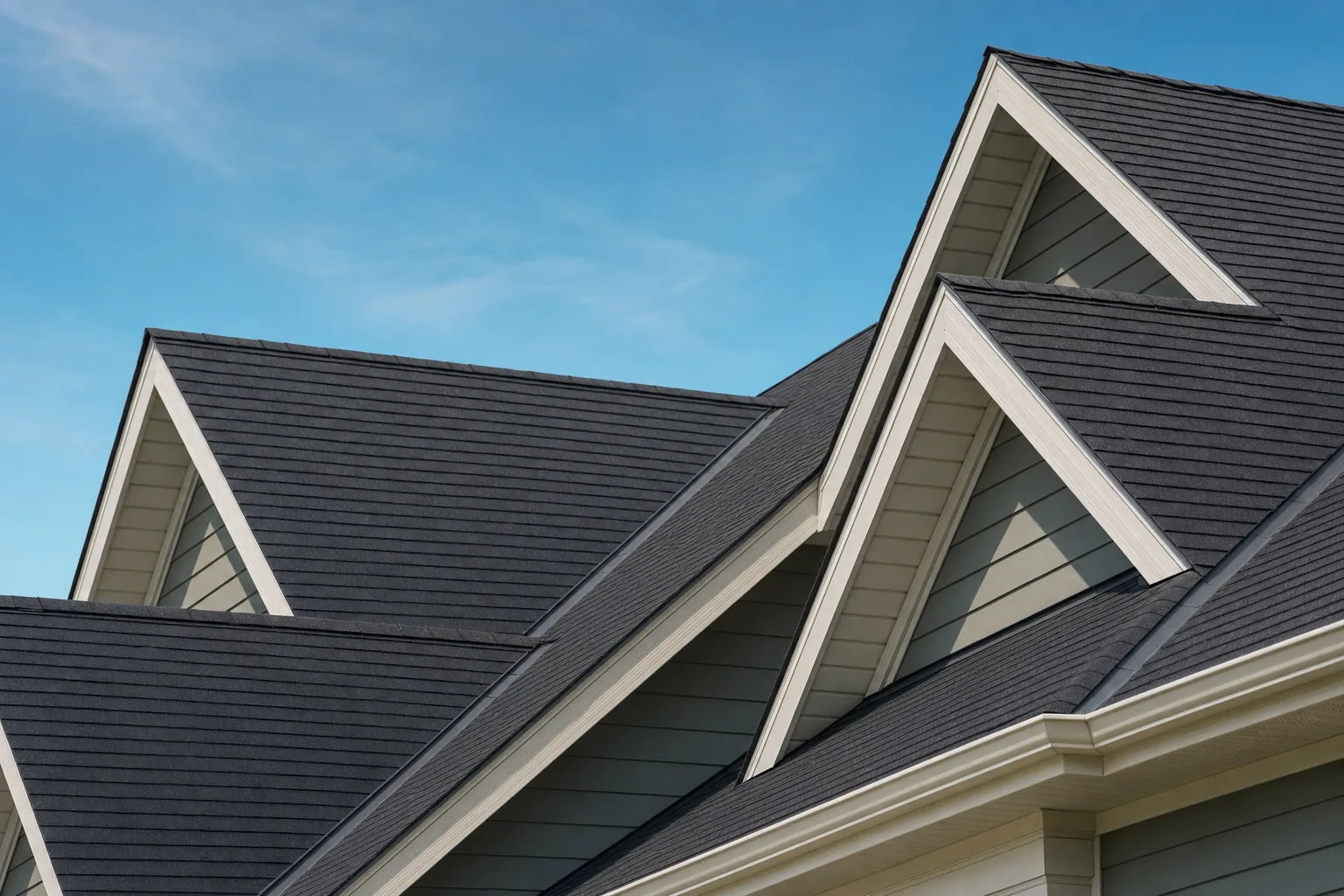
Your roof's pitch might seem like a minor technical detail, but it's one of the biggest factors influencing how much your roof replacement or repair will cost. If you're planning a roofing project in Tulsa, understanding roof pitch and how it affects installation expenses can help you budget accurately and make smarter decisions about your home.
What Is Roof Pitch?
Roof pitch is the angle or steepness of your roof, measured as the vertical rise over a horizontal distance of 12 inches. It's expressed as a ratio, like 6:12, which means your roof rises 6 inches for every 12 inches of horizontal run. The higher the first number, the steeper your roof.
You might also hear roof pitch called "roof slope" or "roof angle." These terms are used interchangeably in the construction industry. Understanding your home's roof pitch is essential because it directly affects material costs, labor expenses, and the complexity of the installation process.
Roof pitch matters for more than aesthetics. It influences how water drains from your roof, the types of materials you can use, and how safely installers can work on it. A steeper roof sheds water and snow more efficiently, while a gentler slope is faster and cheaper to install.
Why Does Roof Pitch Impact Installation Cost?
Steeper roofs cost more to install for several practical reasons. First, steeper pitches require additional safety equipment and precautions. Roofers working on a 10:12 pitch need harnesses, fall protection, and specialized equipment that adds labor time and expense.
Second, steeper roofs require more shingles and materials. A roof with a steep pitch covers more surface area than a shallow one, even if the footprint of your home is identical. You're essentially covering more square footage, which means buying more materials.
Third, labor costs increase on steep roofs. Installers work slower on steeper angles because of safety concerns and the difficulty of moving materials and maintaining balance. What might take a crew two days on a 4:12 roof could take three or four days on an 8:12 pitch.
Finally, the complexity of flashing, ventilation, and ridge details increases with pitch. Steeper roofs often need more sophisticated solutions to prevent leaks and ensure proper water management, which adds to the overall installation cost.
Common Roof Pitch Ranges and Cost Implications
Most residential roofs fall into a few standard pitch ranges. Understanding where your roof sits helps you anticipate costs:
- Low pitch (2:12 to 4:12): Cheapest to install. Faster labor, fewer materials, minimal safety equipment needed. Common in modern homes and flat-roof designs.
- Moderate pitch (5:12 to 7:12): Mid-range cost. Standard for most older homes in Tulsa. Balance between water drainage and installation ease.
- Steep pitch (8:12 and above): Most expensive. Greater material requirements, extensive safety measures, and slower labor. Adds dramatic curb appeal but costs significantly more to maintain.
When you're comparing roof replacement quotes, the pitch of your home's existing roof is one of the first things a contractor will measure. This measurement directly affects the final price.
Using a Roof Pitch Calculator
If you want to know your roof's pitch before scheduling an estimate, a roof pitch calculator can help. These tools let you input your roof's rise and run measurements to get the exact pitch ratio. Many can also estimate the increased surface area caused by the pitch, which helps you understand material quantities.
To measure your roof pitch yourself, you can use a level and a measuring tape. Place a level on your roof and measure how far up it rises over a 12-inch horizontal distance. Or simply call Trifecta Roofing and Restoration, and our team will provide exact measurements during your free consultation. We'll assess your roof's pitch, slope, and condition, then explain how it affects your installation cost.
Material and Labor Differences by Pitch
Higher pitches don't just cost more because of increased surface area. The type of roofing material you choose becomes more important too. On steeper roofs, heavier materials like architectural shingles might be preferred over standard three-tab shingles because they hold up better on steep slopes.
Labor rates also shift based on pitch. Roofers charge premium rates for steep-pitch work because it's more physically demanding and requires specialized skills. An experienced team like Trifecta understands these nuances and will give you transparent pricing based on your specific roof pitch and chosen materials.
Energy efficiency also ties to pitch. A steeper roof allows for better attic ventilation, which can improve your home's energy performance. If energy bills are a concern, a steeper pitch might seem more expensive upfront, but it could pay dividends in long-term utility savings.
Storm Damage Considerations for Your Roof Pitch
After severe weather like hail or high winds, roof pitch affects how vulnerable your roof is to damage. Steeper roofs shed water more effectively, reducing the risk of ponding water and leaks. However, they can also catch more wind force during storms, potentially increasing damage risk in high-wind events.
If your home has experienced wind or hail damage, Trifecta works directly with insurance companies to manage your claim and make repairs more cost-effective. Roof pitch is one factor we consider when assessing storm damage and planning restoration work. Understanding your pitch helps us explain why certain repairs or replacements are necessary.
Planning Your Roof Replacement Budget
When budgeting for a new roof, pitch is critical information to have before you get quotes. If you're buying a home in Tulsa or planning a major renovation, ask your inspector or realtor about the roof pitch. It will help you understand whether replacement costs will be on the lower, mid-range, or higher end of the market.
During a free consultation, Trifecta measures your roof pitch and provides a detailed estimate that breaks down material and labor costs. We use top-grade materials and proven techniques to deliver results that stand the test of time, regardless of your roof's pitch. Our commitment to quality and transparent communication means you'll understand exactly what you're paying for and why.
Your roof's pitch is more than a technical specification, it's a key factor in your home's protection, curb appeal, and overall project budget. Whether your Tulsa home has a gentle slope or a dramatic peak, understanding how pitch affects installation cost helps you make informed decisions and avoid surprises. Contact Trifecta Roofing and Restoration today for a free estimate and honest guidance on your roofing project.