

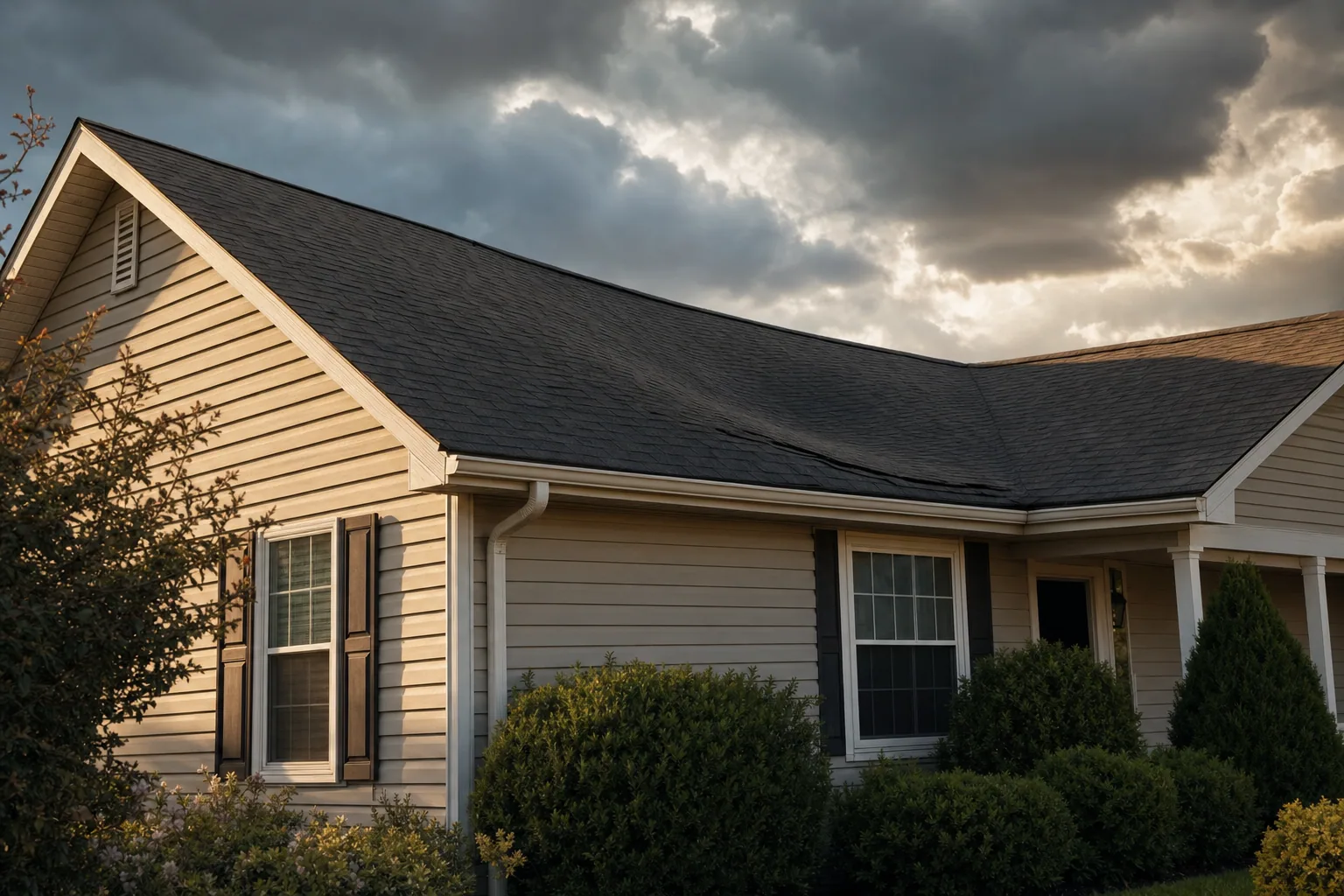
A sagging roof is one of the most alarming signs a homeowner can spot. Unlike a few missing shingles or minor wear, a roof dip signals something more serious happening beneath the surface. Whether it's a gradual sag across the entire roof or a localized dip in the middle, this visual defect should never be ignored.
At Trifecta Roofing and Restoration, we've worked with countless Tulsa homeowners who discovered their roof sagging and didn't know what it meant. The good news: we can assess the problem and fix it. The bad news: delay often makes repairs more expensive. Let's break down what causes a sagging roof, why it matters, and when to call for help.
What Causes a Roof Dip?
A sagging roof doesn't appear overnight without reason. Several structural and environmental factors can lead to roof dips:
Inadequate Support Structure The most common culprit is insufficient or degraded framing beneath the roof. If rafters or trusses are undersized, improperly spaced, or damaged by rot or insects, they can't bear the weight of the roofing materials plus snow, ice, and debris. Over time, this stress causes the roof to sag downward.
Water Damage and Rot Water that seeps into the attic and soaks the wooden support structure causes rot, which weakens the wood's ability to hold up the roof. This is a slow process, but eventually, the compromised framing can no longer maintain its shape.
Accumulated Weight Tulsa winters bring ice and snow. If gutters or valleys trap standing water or debris, the excess weight can cause localized sagging. Even a roof that's structurally sound can dip under extreme load if water pools in the middle.
Age and Material Breakdown Older roofs made from heavy materials like slate or wood shake are more prone to sagging as their support systems age. Decades of weathering take a toll on both the roofing material and the frame beneath.
Insect Damage Termites, carpenter ants, and other wood-boring insects can silently destroy the structural integrity of rafters and trusses. By the time a homeowner notices a roof dip, the damage may be extensive.
Why a Sagging Roof is a Serious Problem
A roof dip isn't just a cosmetic flaw. It's a warning sign that structural failure could be imminent. Here's why you should take it seriously:
Water Damage Risk When the roof loses its proper slope, water naturally pools instead of draining off. This standing water finds its way into the attic, walls, and eventually the interior of your home. The longer water sits on the roof, the faster leaks develop. Left unchecked, water damage can lead to mold growth, which poses health risks for your family.
Compromised Insurance Many homeowners don't realize that a sagging roof can impact their homeowners insurance. If your policy requires proof that the roof is in good condition, a visible sag might lead to claim denials or coverage cancellations. This is why professional roofing companies like Trifecta Roofing and Restoration work with insurance to ensure your roof meets industry standards and keeps your coverage valid.
Accelerated Deterioration Once a roof starts to sag, the damage compounds. The improper angles force water toward weak points, the uneven stress on the frame worsens over time, and the shingles or other roofing material wear faster in the dip area. What might have been a repair problem becomes a replacement problem.
Structural Collapse Risk In extreme cases, a severely sagging roof can lead to partial or total collapse, especially after heavy snow or wind. This is not just expensive; it's dangerous for anyone inside the home.
When to Call a Professional
If you've noticed a roof dip or sag, don't wait to have it inspected. Some warning signs that demand immediate attention include:
- A visible dip or wave in the roofline when viewed from the ground
- Interior ceiling sagging or cracking that mirrors the roof shape
- Water stains on attic framing or insulation
- A musty smell in the attic indicating moisture or rot
- Gaps between walls and the roof where they used to meet
These indicators suggest structural compromise that requires a professional assessment. Trifecta Roofing and Restoration provides free consultations and transparent communication throughout the evaluation process. Our team uses proven techniques and top-grade materials to address the root cause, not just the visible symptom.
Repair vs. Replacement
The fix depends on what's causing the sag. If the framing is rotted, it may need to be reinforced or replaced. If water damage is the issue, the source must be found and sealed. If the roof structure itself is sound but the roofing material has deteriorated, replacement with a fresh layer of quality shingles might be all that's needed.
Sometimes, what looks like a minor sag is actually advanced decay. That's why a hands-on inspection is critical. Our team can determine whether you need spot repairs or a full roof restoration.
Prevention Tips for the Future
While not every sagging roof can be prevented, you can reduce the risk:
- Keep gutters clean. Clogged gutters trap water and debris, adding unnecessary weight to your roof edge.
- Ensure proper attic ventilation. Good airflow reduces moisture buildup that leads to rot.
- Have your roof inspected annually. Catching early signs of damage prevents bigger problems later.
- Remove debris promptly. Leaves, branches, and standing water should be cleared regularly.
- Address roof leaks immediately. Even small leaks lead to rot if ignored.
- Know your roof's age. If your roof is 15 to 20 years old, schedule a professional inspection to check for wear and structural issues.
Tulsa's weather, including wind and hail, can accelerate roof damage. Regular maintenance and proactive inspections help keep your roof performing as it should.
Trust Your Roof to Local Experts
A sagging roof demands more than a quick fix. It requires careful diagnosis and skilled craftsmanship. Trifecta Roofing and Restoration combines expertise with top-grade materials and unwavering commitment to quality. We work with insurance companies to make the claims process seamless, and our 4.9-star rating reflects the trust that Tulsa homeowners place in us.
If you've spotted a roof dip or want to verify your roof's structural health before a problem develops, reach out today. We offer free consultations and provide transparent communication every step of the way. Your home's safety and your peace of mind are worth the call.