

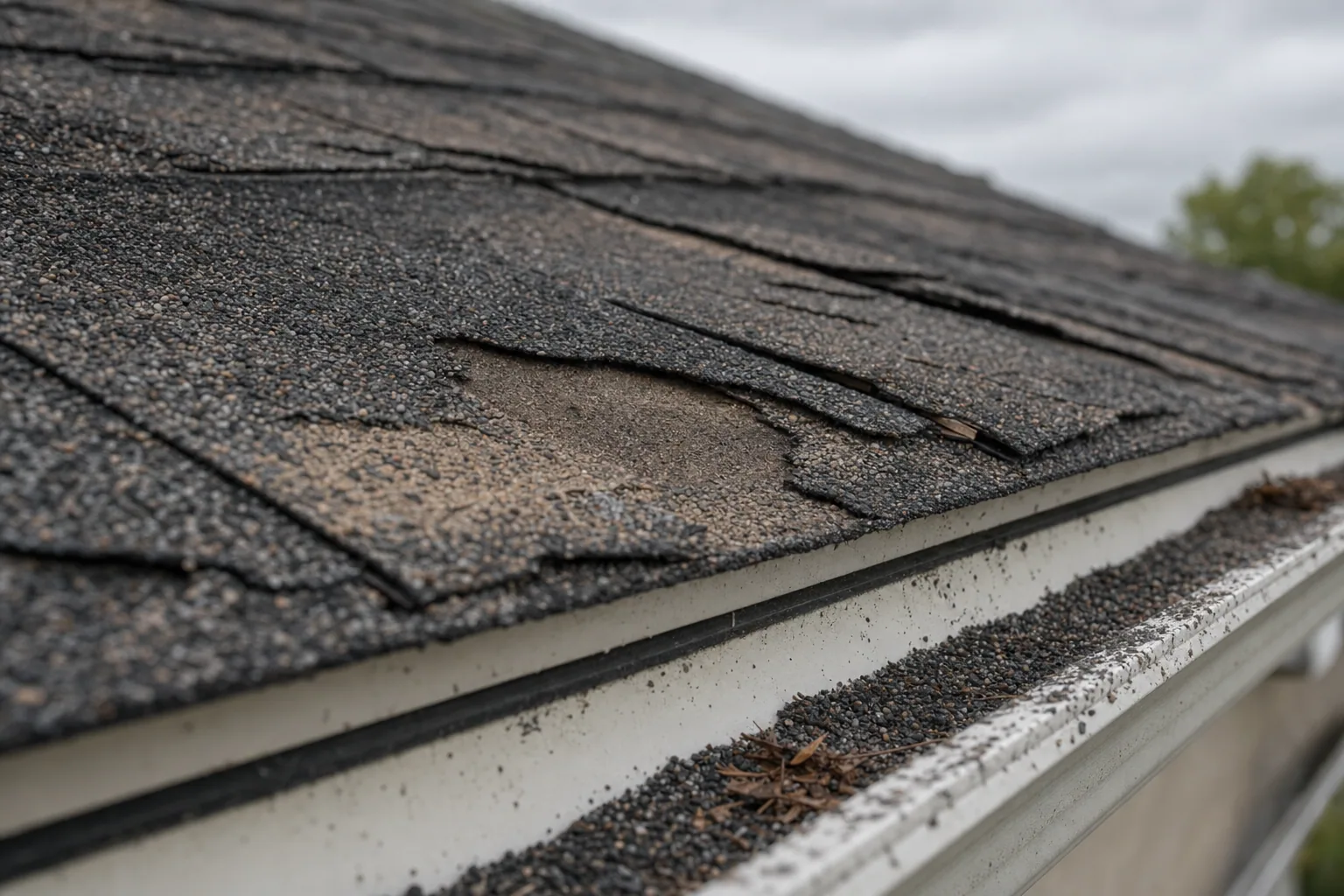
Roof shingles aren't designed to last forever. One of the clearest warning signs that your roof is aging is shingle granule loss. If you've noticed dark specks in your gutters or bare spots appearing on your shingles, you're looking at a common symptom of a roof that's past its prime.
Understanding what those granules do and why they matter can help you decide whether a repair will buy you more time or if a full replacement is the smarter investment. In Tulsa, where weather can be harsh and unpredictable, knowing when to act on granule loss can prevent costly water damage and keep your home protected.
What Are Shingle Granules and Why Do They Matter?
Asphalt shingle granules are small, colorful mineral pieces embedded in the surface of your shingles. They serve three critical jobs: they reflect UV rays from the sun, they add weather resistance and durability to the shingle material, and they give your roof its distinctive color and curb appeal.
Think of granules as your shingles' first line of defense. They're constantly exposed to the elements: intense sun, heavy rain, hail, and temperature swings. Over time, these forces cause granules to wear away, especially in Tulsa's climate where we see everything from scorching summers to severe spring storms.
When you lose too many granules, the underlying asphalt becomes exposed. That's when your roof becomes vulnerable to UV damage, premature deterioration, and eventually leaks.
Common Causes of Shingle Granule Loss
Granule loss happens for several reasons, and not all of them mean your roof is at the end of its life. Newer shingles naturally shed loose granules during their first year or two, and finding some in your gutters is normal. However, significant or ongoing loss is a different story.
Weather and UV exposure: Tulsa summers are intense. The constant pounding of UV rays breaks down the adhesive bonding granules to your shingles, causing them to gradually loosen and wash away.
Wind and hail damage: Severe storms can dislodge granules or even tear away entire shingle sections. This type of storm damage is common in our region, and it often accelerates the roof's decline.
Age: Asphalt shingles typically last 15 to 20 years. As they approach the end of their lifespan, granule loss naturally increases.
Poor ventilation: If your attic doesn't have adequate airflow, heat builds up and cooks your shingles from underneath, speeding up granule loss and overall deterioration.
Manufacturing defects: Rarely, a batch of shingles has poor granule adhesion from the factory. If you notice excessive loss soon after installation, contact your contractor or manufacturer.
How to Spot Shingle Granule Loss
The easiest way to detect granule loss is to check your gutters. Roof granules collect there like dark sand after rain or wind. Finding some is normal, but if you see large amounts regularly, your shingles are breaking down.
You can also inspect your shingles directly from the ground or safely from a ladder if you're comfortable doing so. Look for these signs:
- Bare, exposed patches where the asphalt is visible
- Shingles that appear faded or discolored compared to newer sections
- A worn, thin appearance to the shingle surface
- Clumps of granules sitting in valleys or gutters
If you have any doubt about the condition of your roof, a professional inspection is the safest choice. Trifecta Roofing and Restoration provides free consultations and can assess whether you're dealing with normal wear or a more serious problem that needs immediate attention.
When Granule Loss Means It's Time for Replacement
Not every case of granule loss requires a full roof replacement. The key question is: how much of your roof is affected, and how old are your shingles?
If your roof is under 10 years old: Minor granule loss is usually cosmetic. A localized repair may be all you need.
If your roof is 15 to 20 years old: Significant granule loss combined with age means your roof is nearing the end of its service life. Replacement is often the smarter choice than patching.
If your roof is over 20 years old: You should strongly consider replacement regardless of granule loss, since the entire system is likely near failure.
Beyond age, consider the extent of the loss. If you can see bare spots the size of a quarter or larger covering 10 percent or more of your visible roof surface, replacement is probably necessary. At this point, repair just delays the inevitable.
Wind damage and hail damage can also accelerate the timeline. Storm damage combined with granule loss means your roof's protective layer is compromised and vulnerable to leaks. This is especially important in Tulsa, where hail and high winds are common weather hazards.
Repair Versus Replacement: The Right Call for Your Home
The decision between repair and replacement depends on several factors:
- Cost: A repair is cheaper upfront, but if your roof needs work again in two or three years, you'll have spent money twice.
- Age of the roof: If most of your shingles have years left, repair makes sense. If they're near their lifespan, replacement is better.
- Extent of damage: Isolated problem areas warrant repair. Widespread issues point toward replacement.
- Insurance implications: A failing roof can affect your homeowner's insurance validity. Staying on top of maintenance helps protect your coverage.
Trifecta Roofing and Restoration works directly with insurance companies to help you understand your options and maximize your coverage. Our team can tell you honestly whether your roof can be saved with repair or needs replacement.
Extending Your Roof's Life
Even if your roof isn't ready for replacement yet, you can slow granule loss and extend its lifespan:
- Keep gutters clean so water flows properly and doesn't back up under your shingles
- Trim tree branches that hang over your roof to improve airflow and reduce debris damage
- Ensure your attic is properly ventilated to prevent heat buildup
- Have your roof inspected annually, especially after severe weather
- Address any repairs promptly before small problems become big ones
A proactive approach to roof maintenance prevents leaks, protects your home's interior, and can save thousands in water damage repair down the line.
Don't Wait for Leaks to Start
Shingle granule loss is a visible signal that your roof is aging. The best time to address it is before water starts dripping through your ceiling. Once leaks begin, you're facing not just roof replacement but potential structural damage, mold growth, and compromised health and safety.
If you're noticing granules in your gutters, faded or bare spots on your shingles, or if your roof has survived several storms, get a professional assessment. Trifecta Roofing and Restoration offers free consultations and honest, transparent guidance about whether repair or replacement is right for your home. Our team combines expertise with a commitment to quality and clear communication, so you'll always know where you stand.
Reach out today for a free roof inspection and find out exactly what your roof needs to keep your Tulsa home protected.