

After a hail storm rolls through Tulsa, your first instinct might be to check for obvious leaks inside your home. But hail damage doesn't always announce itself with water dripping from the ceiling. Many homeowners miss the signs of a storm damage inspection until months later, when hidden damage turns into expensive water intrusion. A thorough storm damage report after hail is essential to protect your property and file an insurance claim before problems worsen.
Why Hail Damage Inspection Matters
Hail may only be in the air for seconds, but the impact on your roof, gutters, siding, and skylights can be severe. Unlike wind damage, which can tear or lift roofing materials, hail creates a specific type of harm: small dents, cracks, and compromised protective granules on shingles. Over time, these weakened spots allow water to seep into your home's structure, leading to mold, rot, and structural decay.
A professional hail damage assessment identifies damage that isn't visible from the ground. Many roofing companies rush through inspections, but Trifecta Roofing and Restoration takes time to examine every detail of your property. This thorough approach has helped countless Tulsa homeowners receive fair insurance payouts and prevent costly water damage before it starts.
What to Look for After a Hail Storm
Start by documenting any visible signs of damage while the storm is still fresh in your memory. Here's what to check:
- Shingles and roof surface: Look for dents, cracks, missing pieces, or granule loss. Hail often creates patterns of damage rather than isolated spots.
- Gutters and downspouts: Check for dents, separations, or areas where water might pool instead of flowing away from your home.
- Siding: Examine vinyl, metal, or wood siding for cracks, dents, or splits that could allow water infiltration.
- Windows and glass doors: Look for cracks or chips in seals around glass panels.
- Vent flashing: Check where vents, chimneys, and flashing meet the roof for any separation or damage.
- Fascia and soffit: These wooden or metal trim boards are vulnerable to impact and should be inspected for dents or cracks.
Take photos and notes of anything suspicious. These images become valuable evidence when filing an insurance claim.
The Importance of a Professional Storm Damage Inspection
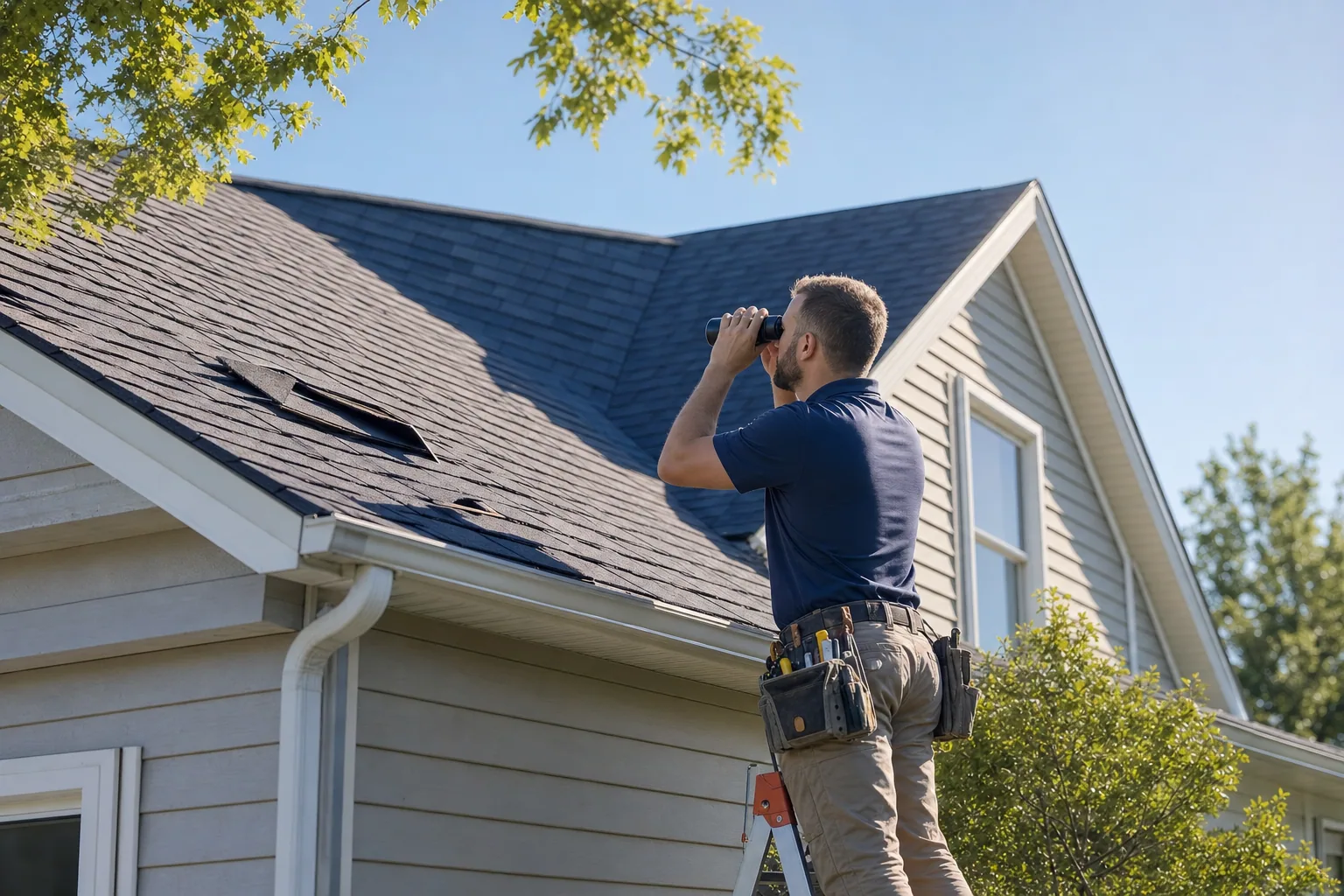
While your own walkthrough is a good starting point, a professional storm damage inspection goes much deeper. Contractors use ladders, binoculars, and sometimes drones to examine areas you can't safely access. They know where hail damage typically hides and what to look for beyond obvious visual cues.
Trifecta Roofing and Restoration conducts comprehensive property damage inspections that document every sign of impact. This detailed approach serves two critical purposes: it protects you from water damage by identifying vulnerabilities early, and it strengthens your insurance claim by providing evidence insurers trust. Many homeowners have found that professional documentation increases their claim payout significantly, sometimes covering costs that initial estimates missed.
How Hail Damage Affects Insurance Claims
Insurance companies require documented evidence of storm damage before they'll approve repairs or replacement. A professional hail damage assessment creates that documentation. Your insurer will want to see photos, written descriptions, and often a contractor's detailed report.
Trifecta Roofing and Restoration works directly with insurance companies to streamline this process. The team handles communication with your insurer, presents damage evidence professionally, and helps ensure you receive a fair settlement. This partnership reduces stress and often results in higher payouts than homeowners receive when navigating claims alone.
Common Hidden Hail Damage You Might Miss
Some of the most problematic hail damage is nearly invisible without close inspection. Here's what typically goes unnoticed:
Granule loss on shingles: Hail strips protective granules from asphalt shingles, exposing the underlying asphalt to UV rays and water. This damage won't cause an immediate leak, but it accelerates shingle deterioration.
Shingle cracking: Small cracks in shingles may not seem serious, but they create entry points for water. Over months, these tiny openings lead to leaks.
Gutter separation: Hail can knock gutters loose from fascia boards without causing obvious damage. Water then runs behind the gutter and into your soffit, causing hidden rot.
Siding and trim damage: Hairline cracks in siding or trim allow moisture to penetrate wood framing, leading to mold and structural weakness.
Roof flashing compromise: The seals around vents, chimneys, and skylights are vulnerable to hail impact. Damaged flashing is a leading cause of roof leaks.
When to Schedule Your Inspection
Don't wait weeks to have your property inspected. The best time is within 1-2 days after the hail storm passes. Fresh damage is easier to photograph and document, and you'll have more clarity on your memory of the storm's severity.
If you're dealing with a major hail event in the Tulsa area, expect that many contractors will be backed up with requests. Scheduling quickly ensures you get on the calendar sooner rather than later. Trifecta Roofing and Restoration prioritizes storm damage inspections after severe weather events, recognizing that homeowners need fast, reliable service.
What Happens After Your Inspection
Once your storm damage inspection is complete, you'll receive a detailed report outlining all findings. This document becomes your roadmap for repairs and your evidence for the insurance claim. Trifecta Roofing and Restoration provides clear, transparent communication throughout this process, explaining what damage was found and what repairs are necessary.
If your insurance claim is approved, you can move forward with repairs knowing exactly what needs to be addressed. If damage is extensive, the team can discuss roof replacement options and materials that will better withstand future storms.
Protecting Your Home Going Forward
After your hail damage assessment and repairs are complete, consider preventive steps to reduce future storm vulnerability. Impact-resistant roofing materials, reinforced gutters, and properly sealed siding all help your home withstand severe weather. Regular roof maintenance also catches wear and tear before storms arrive, keeping your property in top condition.
Hail storms are unpredictable, but your response to one doesn't have to be. A prompt, professional storm damage report protects your home, your insurance claim, and your peace of mind. Trifecta Roofing and Restoration has helped Tulsa homeowners navigate this process with expertise, clear communication, and top-grade workmanship, earning a 4.9-star rating from customers who trust their local contractor.
If a recent hail storm hit your Tulsa home, don't delay. Contact Trifecta Roofing and Restoration today for a free hail damage assessment and take the first step toward protecting your property.