

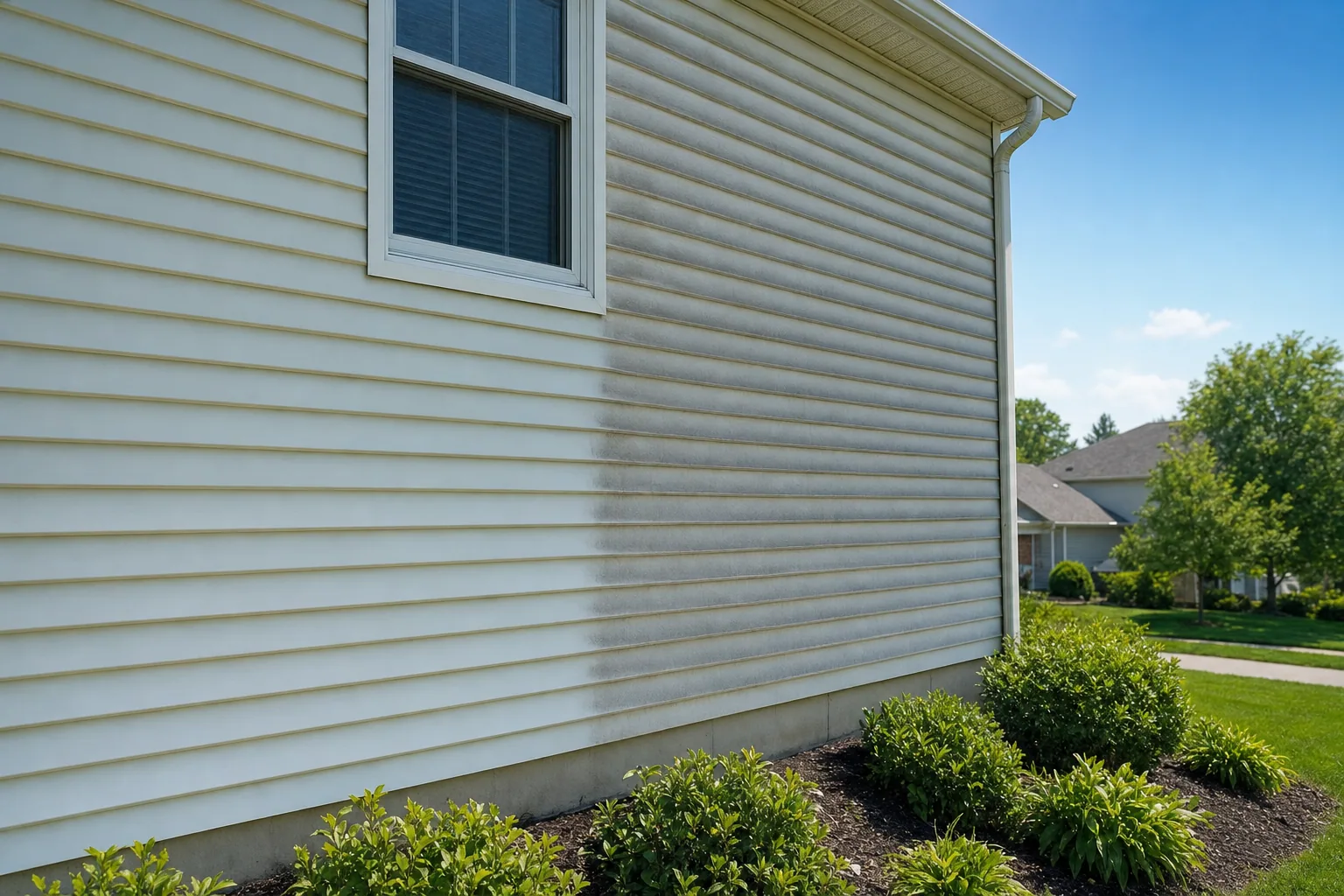
Vinyl siding is one of the most popular exterior choices for Tulsa-area homes. It's affordable, low-maintenance, and available in dozens of colors. But if you've owned vinyl siding for a few years, you've likely noticed something frustrating: the color doesn't stay as vibrant as it was on installation day. Vinyl siding color fading is one of the most common complaints homeowners have about this material, and it can make even a well-maintained home look tired and neglected.
The good news is that understanding why vinyl siding fades, and knowing how to prevent it, can help you keep your home looking fresher for longer. Let's explore the causes of siding discoloration and what you can do to protect your investment.
What Causes Vinyl Siding to Fade?
Vinyl siding fading isn't a manufacturing defect in most cases. It's a natural consequence of how the material reacts to its environment. Several factors work together to dull your siding's appearance over time.
UV Radiation is the primary culprit. The sun's ultraviolet rays break down the chemical bonds in the vinyl surface, causing the color pigments to fade and the material to become chalky. This happens faster on sides of your home that face south or west, where sun exposure is most intense throughout the day.
Weather Exposure accelerates fading. Heavy rain, extreme heat, freeze-thaw cycles, and humidity all contribute to siding deterioration. In Tulsa's climate, temperature swings and frequent severe weather can speed up the fading process compared to more temperate regions.
Moisture and Mold can create dark streaks or discoloration that make siding look faded even if the base color hasn't changed. Moisture trapped between siding panels or in shaded areas promotes algae and mildew growth, adding to the tired appearance.
Poor Maintenance is another factor. Dirt, pollen, and environmental debris accumulate on vinyl siding, dulling its finish and making it look more faded than it actually is.
How Color Fading Progresses Over Time
Siding discoloration typically happens gradually, which is why many homeowners don't notice it until years have passed. The process usually unfolds in three stages:
- Year 1-2: Minimal visible fading. The color remains vibrant for the first couple of years after installation.
- Year 3-5: Noticeable fading on sun-exposed sides. South and west-facing walls show the most obvious color change.
- Year 5+: Widespread fading. Even north and east-facing sides begin to show dullness, and the entire home may look weathered.
Higher-quality vinyl with better UV inhibitors and more pigment can resist fading longer, sometimes maintaining color for 10-15 years before obvious changes occur. Budget-grade vinyl may show significant fading in 5-7 years.
Prevention Strategies That Actually Work
You can't completely stop vinyl siding from fading, but you can slow the process significantly with smart maintenance and preventative measures.
Regular Cleaning is your first line of defense. Wash your siding at least once a year with a soft brush and mild detergent. This removes dirt and algae that make siding look dull. Avoid pressure washers above 1500 PSI, which can damage vinyl and force water behind the panels.
Trim Trees and Shrubs to improve air circulation around your siding. Better airflow reduces moisture retention and mildew growth, keeping siding looking fresher longer.
Apply UV-Protective Coatings designed for vinyl siding. Some homeowners invest in clear protective finishes that add an extra UV barrier. These products can extend the life of your siding's color by several years, though they require reapplication every 3-5 years.
Choose Light or Neutral Colors for high-sun-exposure areas. Darker colors fade more noticeably than lighter ones because the contrast is more obvious. If you're planning new siding, consider this when selecting your palette.
Install or Upgrade Gutters and Downspouts to direct water away from siding. Standing water and constant moisture accelerate both fading and structural damage.
Use Exterior Shade where possible. Planting trees on the south and west sides of your home reduces direct sun exposure on siding and can slow fading considerably. This approach takes time but provides long-term benefits.
When It's Time to Replace Faded Siding
At some point, no amount of cleaning or maintenance will restore faded siding to its original color. If your siding is dull, chalky, or shows signs of structural damage alongside discoloration, replacement may be the better investment.
Siding replacement improves more than appearance. Modern vinyl options offer better UV resistance, energy efficiency improvements, and protection against moisture damage and pest infestration. Trifecta Roofing and Restoration can help you choose a high-quality siding option that stands up to Tulsa's climate and provides lasting color retention.
The Long-Term Investment in Quality Siding
Vinyl siding will eventually fade no matter what you do. But by understanding the causes of siding discoloration and implementing prevention strategies, you can extend the years your home maintains its curb appeal and structural integrity. Regular maintenance, smart landscaping, and protective measures add up to meaningful savings compared to replacing faded siding prematurely.
When you do decide that replacement or restoration is necessary, working with a trusted local contractor who understands Tulsa's weather patterns and exterior conditions makes all the difference. Trifecta Roofing and Restoration specializes in siding repair, replacement, and full remodeling using top-grade materials and proven techniques designed to resist the elements and maintain their appearance.
If your siding is showing signs of fading or discoloration, or if you're ready to upgrade to a siding solution that resists UV damage longer, reach out for a free inspection and consultation. We'll assess your current siding condition and recommend the best path forward for your home's exterior.