

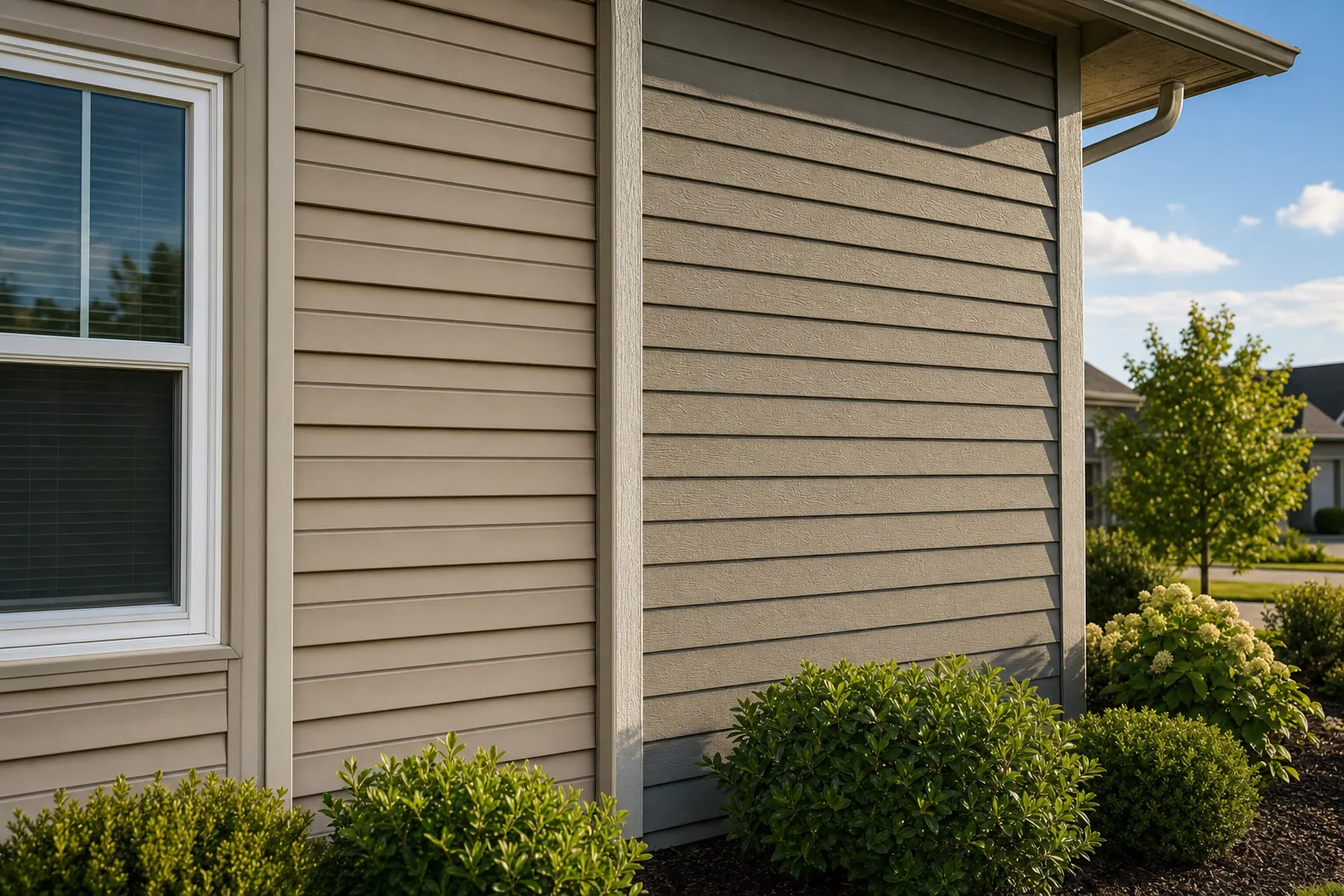
Choosing new siding is one of the bigger decisions a homeowner makes. The material you pick will affect your energy bills, your maintenance schedule, your home's appearance, and how well it holds up after the next Oklahoma hailstorm. Two materials come up more than any other: vinyl and fiber cement. Both are popular, both have real advantages, and both have trade-offs worth knowing before you sign anything.
This guide breaks down the differences in plain terms so you can walk into the conversation with a contractor already knowing what questions to ask.
What Each Material Actually Is
Vinyl siding is made from PVC plastic. It has been the most widely installed siding material in the country for decades, largely because it is affordable and requires very little upkeep. It comes in dozens of colors and profiles, from traditional lap to board-and-batten.
Fiber cement is a composite material made from cement, sand, and cellulose fibers. It was developed as a more durable alternative to wood, and it mimics the look of real wood grain convincingly. Brands like HardiePlank have made it a go-to choice for homeowners who want a premium appearance with better resistance to rot and insects.
Cost and Installation
Vinyl is the more budget-friendly option up front. Material costs are lower, and because vinyl panels are lighter and easier to cut, labor goes faster. That combination keeps the total project cost down compared to fiber cement.
Fiber cement costs more for both materials and labor. The panels are heavier, require more care when cutting, and typically need a primer coat plus two finish coats of paint. That said, the higher upfront investment often pays off over time because fiber cement holds paint longer and does not need to be replaced as often.
If you want a clearer picture of what either option might run for your specific home, checking into siding installation costs in the Tulsa area is a helpful starting point.
Durability in Oklahoma Weather
This is where the comparison gets interesting for Tulsa homeowners. Oklahoma weather is not gentle. You are dealing with intense summer heat, sudden temperature swings, strong thunderstorm winds, and hail that can leave dents and cracks on anything not built to take it.
Vinyl:
- Can become brittle in extreme cold and crack if struck hard
- May warp or fade after years of direct sun exposure
- Lightweight panels can loosen or detach during high-wind events
- Does not dent from hail, but can crack on direct impact
Fiber cement:
- Holds up well against hail because of its density and hardness
- Resists warping and does not expand or contract as dramatically with temperature swings
- Fire-resistant, which vinyl is not
- Not immune to moisture damage if improperly installed or if caulk fails over time
For a home in a storm-prone area like Tulsa, fiber cement has a durability edge. Vinyl is still a solid choice, especially when installed correctly with quality products, but it does require more scrutiny after a major weather event.
Maintenance Over Time
This is where vinyl wins back some ground. One of the biggest selling points of vinyl is that it never needs painting. The color is baked into the material. A good rinse with a garden hose or a pressure washer is usually enough to keep it looking clean. You can read more about washing your home exterior to get a sense of how low-effort upkeep can be.
Fiber cement, on the other hand, is painted on the surface. That paint will need to be touched up and eventually repainted, typically every 10 to 15 years depending on climate and paint quality. If you skip maintenance, the exposed surface can absorb moisture and begin to deteriorate at the edges.
A simple maintenance comparison:
| Category | Vinyl | Fiber Cement |
|---|---|---|
| Painting required | No | Yes, every 10-15 years |
| Rot and insect resistant | Yes | Yes |
| Pressure wash safe | Yes | Yes, with care |
| Repair difficulty | Easy to replace panels | Requires skilled patching |
| Lifespan | 20-40 years | 30-50 years |
Appearance and Curb Appeal
Vinyl has come a long way. Modern vinyl siding no longer looks cheap, and higher-end vinyl profiles can genuinely look attractive. That said, most people who look closely can tell the difference. Vinyl lacks the depth and texture of painted wood or fiber cement.
Fiber cement is widely considered the better-looking material. It takes paint beautifully, holds a crisp edge, and mimics wood grain in a way that vinyl simply cannot replicate. If resale value and curb appeal are priorities, fiber cement tends to make a stronger impression on buyers.
Which One Is Right for Your Home?
There is no single right answer. The best material depends on your budget, your goals, and how long you plan to stay in the home.
Choose vinyl if:
- You want the lowest upfront cost
- You prefer a truly maintenance-free exterior
- You are updating a rental property or a starter home
- You want a quick installation with minimal disruption
Choose fiber cement if:
- You want the best durability against Oklahoma storms
- Curb appeal and resale value are important to you
- You are planning to stay in the home for 20 or more years
- You want a material that looks closer to real wood
Either way, installation quality matters as much as the material itself. Even the best fiber cement will fail early if it is not properly sealed, flashed, and painted. And even budget vinyl will hold up for decades when installed by someone who knows what they are doing.
At Trifecta Roofing and Restoration, the team installs vinyl, steel, aluminum, wood, and engineered wood siding systems, and works with homeowners to find the right fit for their home and budget. With a 4.9-star rating across 150 or more reviews and a 2025 Angi Super Service Award, the focus is on doing the job right rather than doing it fast and moving on. If you are trying to decide between materials or just want an honest assessment of what your home actually needs, reaching out for a free consultation is a low-pressure way to get answers from someone who knows Tulsa homes.