

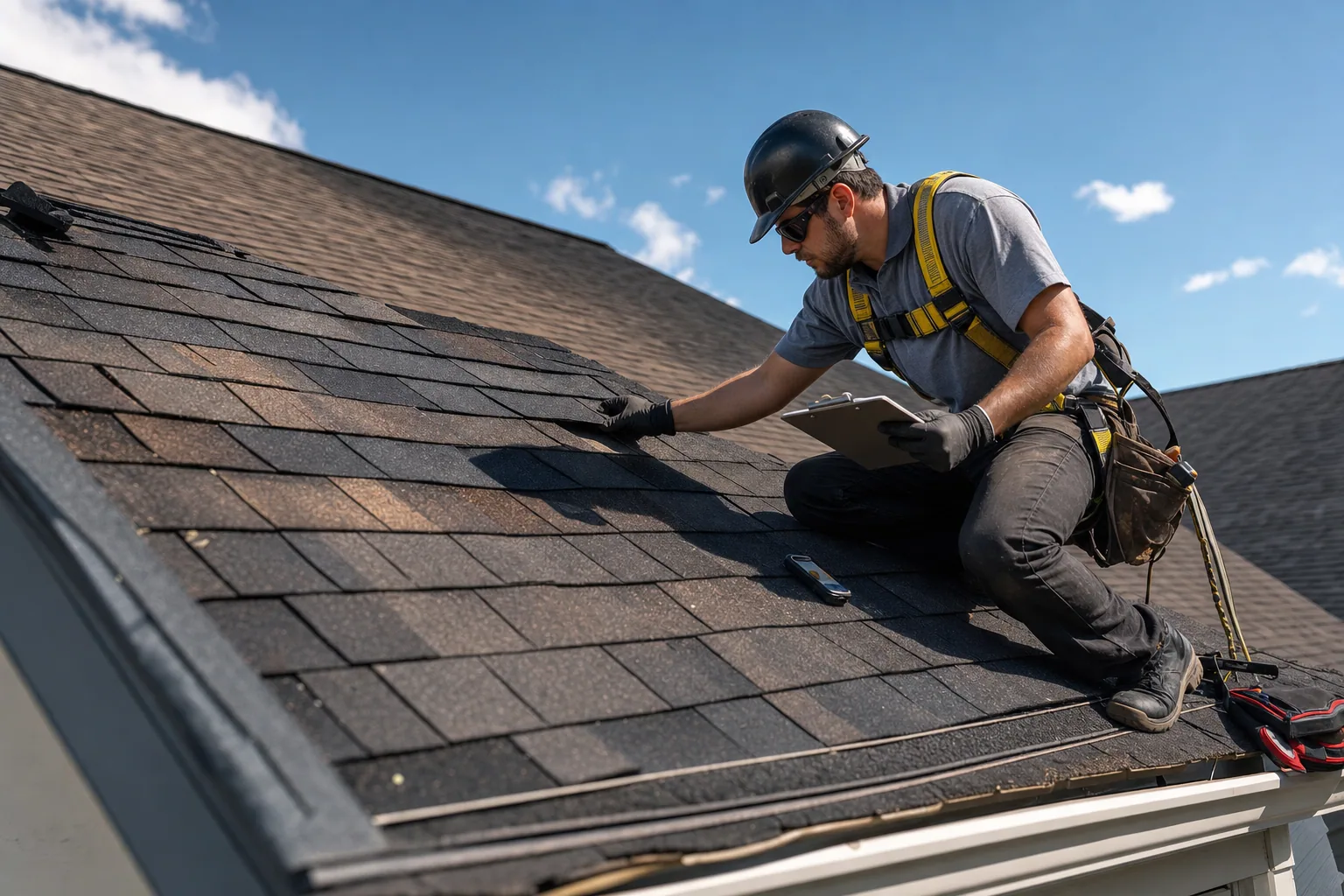
A roof inspection might seem like a routine task, but it's one of the most important preventative steps you can take to protect your home. Whether you're buying a new house, dealing with storm damage, or simply maintaining your property, understanding what happens during an inspection helps you prepare and know what to look for. At Trifecta Roofing and Restoration, we've conducted hundreds of inspections across Tulsa and the surrounding areas, and we're here to walk you through the process.
Why Regular Roof Inspections Matter
Your roof is your home's primary defense against weather, pests, and water damage. Over time, exposure to Oklahoma's intense sun, wind, and seasonal storms takes a toll. Small issues like loose shingles or deteriorated flashing can escalate into expensive repairs if left undetected.
Regular inspections catch problems early, when they're cheaper and easier to fix. They also help you understand your roof's remaining lifespan, maintain insurance validity, and prevent the kind of water intrusion that leads to mold, rot, and structural damage. An honest assessment from a trusted local contractor gives you the confidence and information you need to make smart decisions about your home.
The Pre-Inspection Walkthrough
Before climbing onto your roof, a professional inspector will walk around your home's exterior and examine the gutters, downspouts, fascia, and any visible signs of damage or wear. This ground-level assessment reveals how water flows off your roof and whether drainage systems are working properly.
During this phase, the inspector will also:
- Check for obvious signs of sagging, missing shingles, or visible deterioration
- Inspect the chimney, vents, and other roof penetrations
- Look for moss, algae, or other growth that signals moisture retention
- Examine how close trees hang over the roof
- Review the overall condition of siding and other exterior elements
This preliminary look sets expectations for what you might find on the roof itself and identifies any safety concerns before climbing up.
The Roof Surface Inspection
Once the inspector is on the roof, the detailed work begins. Using proper safety equipment and techniques, they'll conduct a methodical examination of the entire surface. This isn't a quick scan; a thorough inspection covers the roof systematically, section by section.
Key areas examined during this phase include:
- Shingle condition: checking for cracking, curling, blistering, or granule loss
- Flashing integrity: inspecting seals around chimneys, vents, valleys, and edges where water commonly enters
- Roof valleys: these areas channel water and are prone to deterioration
- Penetrations: examining every opening where plumbing vents, HVAC equipment, or other systems pass through the roof
- Fasteners: checking nails for pull-out, rust, or looseness
- Overall structure: looking for sagging, uneven surfaces, or signs of settling
Our team at Trifecta takes its time during this phase because hidden damage in roof systems often becomes visible only under close inspection. A quick walk-around misses critical details that could lead to expensive repairs later.
Interior and Attic Assessment
A complete inspection doesn't stop at the roof surface. A qualified inspector will also check your attic or crawl space to look for interior signs of problems. Water stains on rafters or insulation indicate past or present leaks. Proper ventilation and insulation are also evaluated, as these affect your roof's longevity and your home's energy efficiency.
During this part of the inspection, the professional will look for:
- Water stains or active leaks
- Mold or mildew growth
- Proper attic ventilation
- Adequate insulation levels
- Evidence of pest intrusion
- Proper roof structure and framing
This interior evaluation is especially important after severe weather, because exterior damage sometimes causes hidden interior damage that won't be apparent unless someone physically checks the attic.
The Detailed Report and Recommendations
After the inspection is complete, you should receive a detailed written report. This isn't a vague summary; it should include photos, specific observations about what was found, and clear recommendations about what needs to be done.
A good inspection report will:
- Describe the overall condition of your roof in plain language
- Point out areas of concern with specific locations and photographs
- Explain the urgency of any repairs needed
- Estimate remaining roof lifespan
- Provide maintenance recommendations
- Note any areas that might affect insurance coverage or home value
At Trifecta Roofing and Restoration, we pride ourselves on transparent communication throughout every project. Our inspections include detailed findings so you understand exactly what your roof needs, not just vague recommendations.
What Happens If Problems Are Found
If the inspection reveals damage, don't panic. Understanding what's wrong is the first step toward fixing it. Minor issues like a few deteriorated shingles or flashing that needs resealing can often be addressed quickly and affordably. More serious problems might require roof repair or replacement, but knowing about them now prevents catastrophic failure and water damage later.
If storm damage is discovered, an inspection also gives you documentation for insurance claims. Many Tulsa homeowners work with insurance companies to cover the cost of repairs, and a professional inspection report is crucial evidence of the damage. Trifecta works directly with insurance companies to make the claims process seamless and cost-effective for our customers.
How Often Should You Get an Inspection
Experts generally recommend professional roof inspections every three to five years for most roofs. However, you should schedule an inspection sooner if:
- Your roof is older than 15 years
- You've experienced recent severe weather, wind, or hail
- You notice signs of interior leaking or water stains
- You're buying or selling your home
- You want to understand your roof's current state before winter or spring storm season
Oklahoma homeowners should especially consider an inspection after hail storms or high winds, which are common in our region. Many roofs appear fine after a storm but have sustained damage that leads to leaks months later.
Getting Your Free Roof Inspection in Tulsa
A professional roof inspection is an investment in your home's safety and longevity. If you're unsure about your roof's condition or want an honest assessment from a local contractor who understands Tulsa's unique weather challenges, Trifecta Roofing and Restoration is ready to help.
We offer free, no-obligation roof inspections for homeowners across Tulsa and surrounding areas. Our team will walk you through every finding, answer your questions, and help you understand your options. With a 4.9-star rating based on over 150 customer reviews, we're proud to be Tulsa's trusted roofing partner.
Reach out today to schedule your free consultation and get the honest assessment your home deserves.