

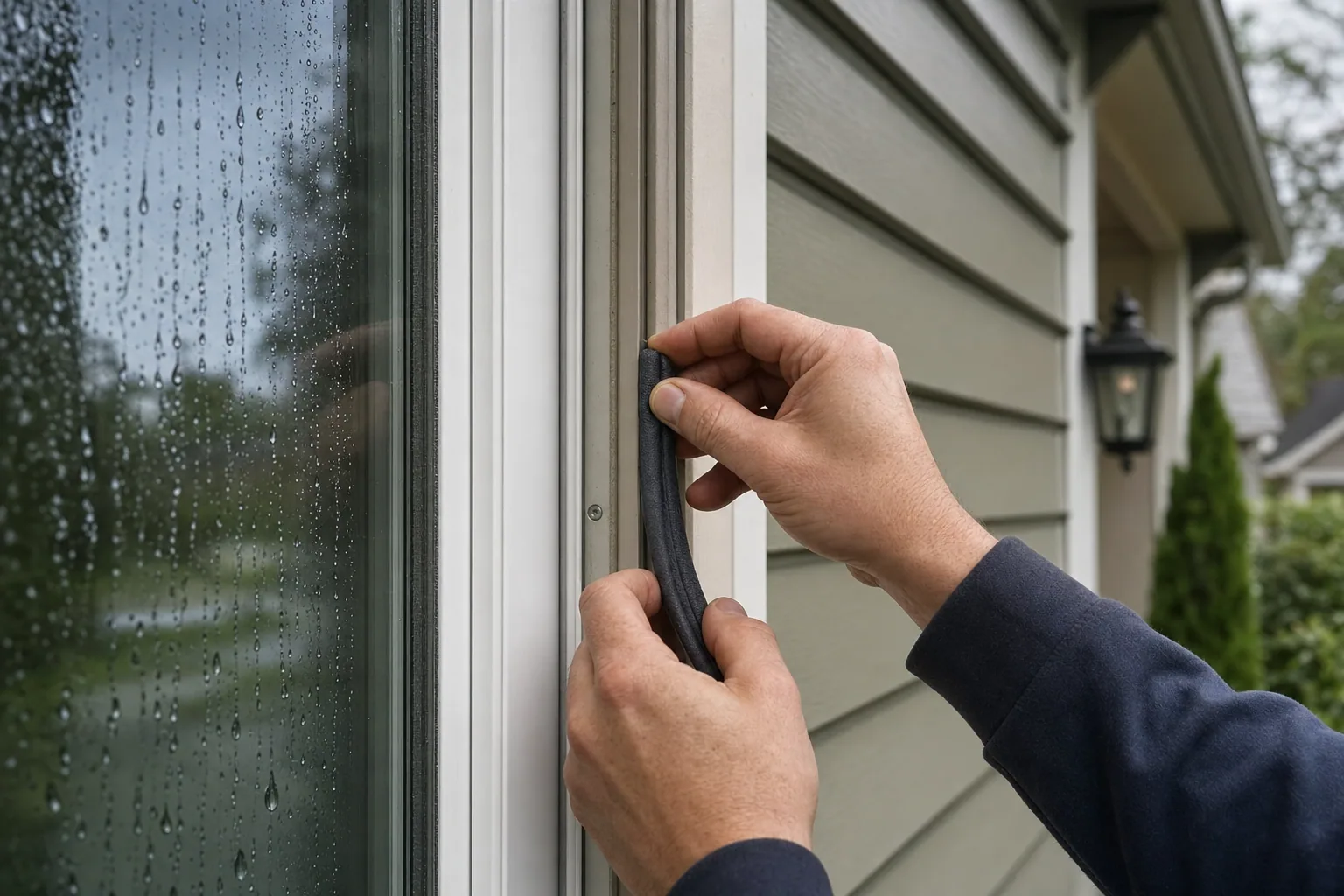
Your home's envelope is under constant attack. Rain, wind, temperature swings, and humidity all work to find their way inside, and gaps in your weather sealing are their entry points. Home weatherization is one of the most cost-effective ways to protect your property and cut energy waste, yet many homeowners don't know when the right time to upgrade is. If you live in the Tulsa area and are thinking about weatherproofing your house, understanding the signs of failing seals can save you thousands in water damage and inflated utility bills.
What Weather Sealing Does for Your Home
Weather sealing includes weatherstripping, caulking, sealants, and other barriers that prevent outside air and moisture from entering your home. When properly installed, weather sealing works in tandem with your roof, siding, and flashing to create a continuous barrier against the elements. Think of it as the last line of defense in your home's exterior system.
This isn't just about comfort. Poor weather sealing leads to air leaks, which force your heating and cooling system to work harder. Over time, small gaps around windows, doors, and transitions between different building materials allow conditioned air to escape and unconditioned air to enter. The cost of weather stripping or caulking is minimal compared to the energy losses that result from ignoring the problem.
Signs Your Weather Sealing Needs Replacement
Look for these red flags around your home:
- Visible cracks or gaps around windows and doors
- Caulk that is peeling, cracking, or missing
- Weatherstripping that is compressed, torn, or no longer springy
- Water stains on interior walls or ceilings, especially near the roofline or siding edges
- Drafts you can feel on windy days
- Noticeably higher heating or cooling bills without a change in usage
- Mold or mildew appearing around window frames or door jambs
- Pest droppings or evidence of insects entering your home
If your home has experienced a major weather event like high winds or hail, inspect your weather sealing closely. Wind-driven rain can exploit even small gaps, and the impact alone may have loosened caulk or shifted flashing. Storm damage often goes unnoticed until water has already started causing problems inside.
How Weather Sealing Ties Into Your Roof and Siding
Your roof and siding are the primary defense, but they work best when supported by proper weather sealing at transitions and penetrations. Where your roof meets the walls, where siding meets windows and doors, and where utilities enter your home, weather sealing fills the gaps that materials alone cannot cover.
If your roof or siding is old or has been damaged, you may need to replace or repair the weather sealing at the same time. Torn or deteriorating siding can pull away from the home's structure, creating new gaps. Similarly, roof valleys and flashing need proper sealing to prevent water from backing up into your home. When you're considering siding repairs or a new roof installation, ask your contractor about the condition of the weather sealing as well. It's easier and more cost-effective to address everything together.
Weather Stripping Cost and ROI
The cost of weather stripping depends on the scope of work. A simple project sealing a few doors or windows might run between $50 and $200. A comprehensive weatherization of your entire home, including new weatherstripping, caulk, and sealants around all openings and transitions, could range from $500 to $2,000 or more.
However, the return on this investment comes quickly. Sealing air leaks in your home can reduce heating and cooling costs by 10 to 20 percent, depending on your climate and how severe the air leakage was. In a Tulsa home where summer cooling and winter heating are both significant expenses, that adds up fast. Most homeowners recoup their investment within two to three years through lower utility bills.
Beyond energy savings, proper weather sealing prevents water damage, which is far more expensive to repair. Water intrusion can lead to structural rot, mold remediation, and interior restoration costs that easily exceed $10,000. The relatively low cost of weather stripping makes it a no-brainer preventive measure.
Best Times to Seal Air Leaks in Your Home
Spring and fall are ideal times to inspect and upgrade your weather sealing. The moderate temperatures make it comfortable for contractors to work, and you can identify problems before the seasons when you rely most heavily on heating or cooling.
If you've experienced storm damage, don't wait. Water damage happens quickly, and delaying repairs can allow moisture to penetrate deeper into your home's structure. After any significant wind, hail, or heavy rain event, a thorough inspection of your weather sealing should be part of your damage assessment.
You should also consider weather sealing upgrades as part of a larger exterior project. If you're planning to replace your siding or roof, or if you're having flashing repairs done, coordinate the weather sealing work at the same time. This bundling approach is more efficient and ensures consistency across all of your home's exterior systems.
What to Expect During a Professional Weather Sealing Inspection
When you hire a contractor to assess your weather sealing, they should inspect:
- All exterior doors and windows
- Transitions between roofing and walls
- Siding seams and panel overlaps
- Areas around utility penetrations, vents, and fixtures
- Roof valleys and flashing
- Corners and joints where different materials meet
A thorough inspection takes time. Don't trust a contractor who rushes through the process or quotes you without seeing the work firsthand. Trifecta Roofing and Restoration provides free inspections and consultations, so you can get a clear picture of your home's current weather sealing condition without obligation. Our team can explain what they find and recommend the most cost-effective solutions tailored to your specific situation.
Protecting Your Home Long-Term
Home weatherization is preventive maintenance that pays for itself in comfort, energy efficiency, and protection against water damage. Whether you're dealing with the aftermath of a storm or simply noticing higher energy bills and drafts, upgrading your home's weather sealing is a smart investment.
Tulsa's climate brings significant temperature swings and severe weather, which puts extra stress on your home's exterior systems. The good news is that with proper weather sealing, roofing, and siding, your home can withstand what nature throws at it. If you're uncertain about the condition of your weather sealing or suspect that air leaks or water intrusion is already happening, reach out to Trifecta Roofing and Restoration. We'll conduct a comprehensive inspection, explain what we find in clear terms, and help you make the best decision for your home's protection and efficiency.