

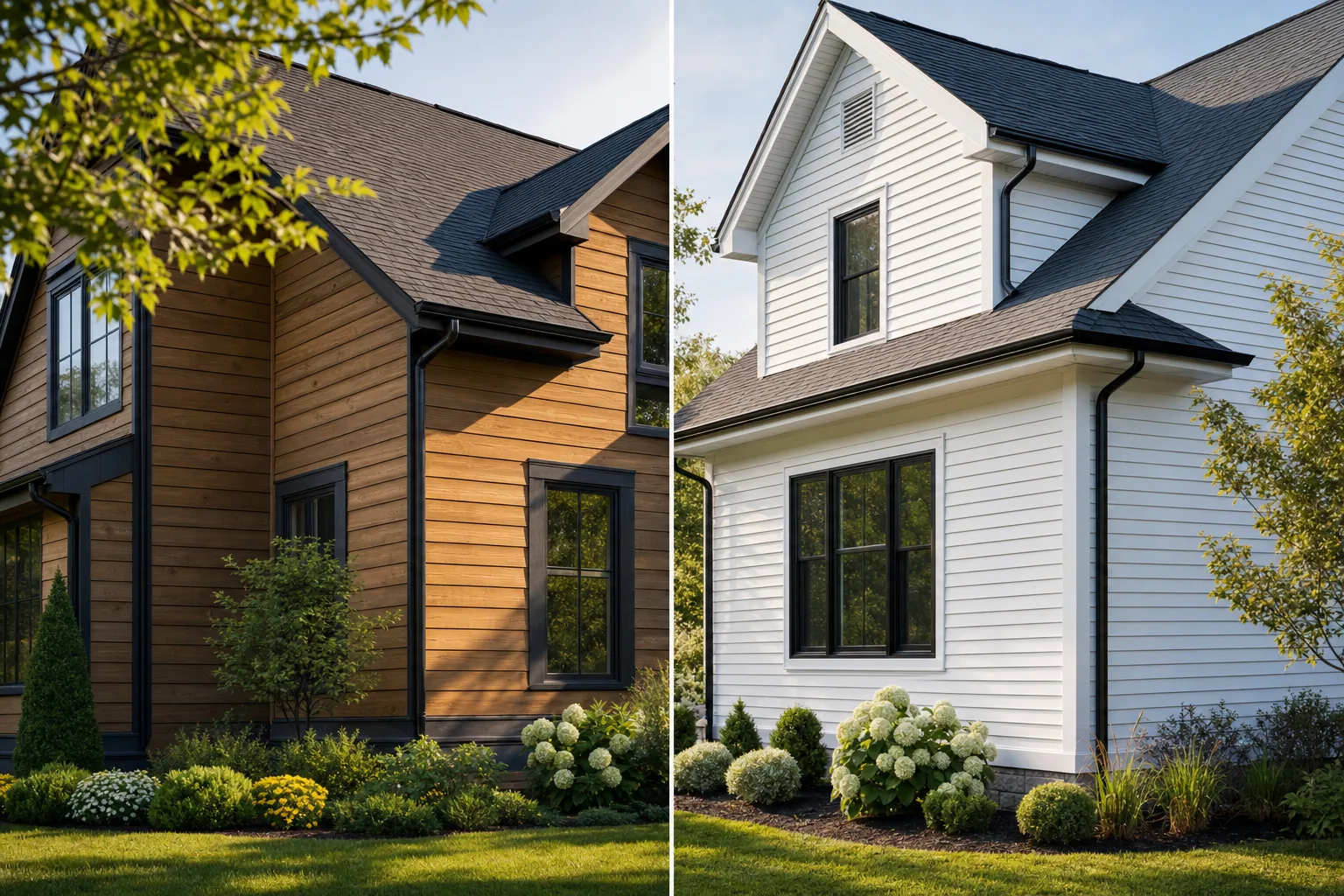
When it comes time to repair or replace your home's siding, you'll likely find yourself choosing between two popular options: wood and vinyl. Both materials have earned their place in homes across Tulsa and Oklahoma for good reason, but they differ significantly in cost, durability, maintenance demands, and long-term value. Understanding these differences will help you make the right choice for your home and budget.
At Trifecta Roofing and Restoration, we specialize in repairing, replacing, and fully remodeling siding systems, including both wood and vinyl options. Whether you're deciding between these two materials or already know which direction you're heading, we can help ensure your choice protects your home from structural decay, boosts energy efficiency, and prevents pest infestations.
Wood Siding: Classic Appeal and Hidden Costs
Wood siding has been a trusted choice for centuries. It offers natural beauty, warmth, and character that many homeowners love. Whether you choose cedar, pine, or engineered wood, wood siding can enhance your home's curb appeal and give it a timeless, authentic look.
However, wood comes with significant maintenance demands and ongoing costs. The material requires regular painting or staining, typically every five to ten years, to protect it from the elements. In Tulsa's climate, where weather can swing from hot summers to freezing winters, wood siding is exposed to intense UV rays, moisture, and temperature fluctuations. These conditions can cause wood to warp, crack, rot, and split if not properly maintained.
The upfront cost of wood siding is often lower than vinyl, but the total cost of ownership rises quickly when you factor in:
- Professional repainting or restaining every 5-10 years
- Repairs for rotted or damaged sections
- Pest treatments if wood-boring insects or termites take hold
- Energy losses from gaps that open as wood shrinks and swells
- Replacement of severely damaged boards
Wood siding also requires annual inspections and cleaning to prevent mold and mildew growth, which can pose health risks to your family. In humid climates or after storms, wood siding becomes even more vulnerable.
Vinyl Siding: Low Maintenance and Long-Term Savings
Vinyl siding has become increasingly popular because it addresses many of wood's shortcomings. Made from PVC plastic, vinyl siding is engineered to resist moisture, UV rays, pests, and temperature swings. It won't rot, warp, or split, and it requires minimal maintenance beyond occasional washing with soap and water.
The initial cost of vinyl siding is typically higher than wood, but that premium pays dividends over time. Here's why vinyl makes financial sense for many homeowners:
- No painting or staining needed
- No seasonal maintenance or inspections required
- No risk of rot, warping, or insect damage
- Longevity of 30 to 40 years or more with proper installation
- Improved energy efficiency, reducing heating and cooling costs
- Better protection against water infiltration and structural decay
Vinyl also comes in a wide range of colors and styles, and unlike painted wood, it won't fade as quickly. Modern vinyl products can convincingly mimic the look of wood without the maintenance burden.
Direct Cost Comparison
To make an informed decision, let's look at real-world costs. Keep in mind that prices vary based on your location in the Tulsa area, the size of your home, and the specific products chosen.
Wood siding typically costs between $3 and $12 per square foot for material and installation, depending on the wood type and quality. However, once installed, you're committed to regular maintenance expenses. Professional repainting alone can cost $1,500 to $5,000 or more, depending on your home's size.
Vinyl siding generally costs between $3 and $10 per square foot for materials and installation, often overlapping with wood's base price. But because vinyl requires virtually no maintenance beyond occasional cleaning, your total cost over 30 to 40 years is substantially lower. You'll avoid the recurring expense of painting, staining, repairs, and pest treatments.
If you need specific pricing for your Tulsa home, Trifecta Roofing and Restoration offers free consultations to assess your existing siding and provide accurate estimates. We understand local costs and can help you compare options with real numbers.
Durability and Weather Resistance
Tulsa experiences hail, high winds, and severe thunderstorms. How do wood and vinyl hold up?
Wood siding is vulnerable to storm damage. Impact from hail or debris can crack or split boards, and high winds can loosen or lift siding. Storm damage to wood typically requires professional repair or replacement of affected sections. The exposed wood underneath must be sealed quickly to prevent water infiltration and mold growth.
Vinyl siding is more impact-resistant and handles strong winds better. High-quality vinyl is engineered to withstand hail and flying debris without cracking. If vinyl does get damaged, individual sections can be replaced relatively inexpensively, and the repair process is faster. Vinyl also won't absorb water, so you don't face the urgent race against mold and rot that wood presents after storm damage.
Both materials benefit from proper installation. Gaps or misaligned panels create entry points for water, regardless of material choice. This is why working with an experienced contractor like Trifecta matters. Poor installation can undermine even the best siding product.
Energy Efficiency Considerations
Your siding choice affects how well your home retains heat in winter and stays cool in summer. Both wood and vinyl can improve energy efficiency compared to older siding, but vinyl typically offers better performance.
Wood siding shrinks and swells with temperature and humidity changes, creating small gaps that allow air infiltration. Over time, these gaps widen, and energy efficiency drops. Vinyl's rigid structure maintains consistent fit and doesn't develop these gaps, providing better insulation and lower energy bills.
Many modern vinyl products include enhanced insulation backing, further improving thermal performance. If lowering your energy costs is a priority, vinyl generally delivers better long-term results.
Which Material Is Right for Your Home?
Choose wood siding if you:
- Love the authentic, natural look and are willing to maintain it
- Plan to stay in your home for fewer than ten years
- Have the time and budget for regular painting and inspections
- Live in a drier climate with less extreme weather
- Value aesthetics above long-term maintenance cost
Choose vinyl siding if you:
- Want the lowest total cost of ownership over 20+ years
- Prefer minimal maintenance and maximum durability
- Live in an area with harsh weather, hail, or high winds
- Want consistent appearance without repainting
- Prioritize structural protection and pest prevention
For Tulsa homeowners, vinyl typically makes the most financial and practical sense. Our climate and weather patterns are tough on wood siding, and the maintenance burden adds up quickly.
Getting Expert Help for Your Decision
Choosing between wood and vinyl siding is a significant investment. The right choice depends on your budget, timeline, climate tolerance, and maintenance preferences. Trifecta Roofing and Restoration can inspect your current siding, explain the pros and cons of each material for your specific home, and provide transparent pricing to help you decide with confidence.
We work with vinyl, steel, aluminum, wood, and engineered wood siding, ensuring your complete satisfaction regardless of which material you choose. Our commitment to quality and clear communication means you'll understand exactly what you're getting and why.
Ready to explore your siding options? Request a free inspection today and let's find the right solution to protect your home, improve its efficiency, and fit your budget.